Individual results may vary. Rx Only. View important safety information at inspiresleep.com/safety.
UARS vs. Sleep Apnea: Symptoms, Diagnosis and Treatment
Learn the key differences between upper airway resistance syndrome (UARS) and sleep apnea, including symptoms and treatment options for better sleep.

Key Takeaways
Upper airway resistance syndrome (UARS) happens when the airway becomes narrow, making it harder to breathe and causing brief sleep disruptions. Obstructive sleep apnea (OSA), the most common type of sleep apnea, happens when the airway partly or completely closes during sleep. When your airway is blocked, your body triggers you to wake up to take a breath and restore airflow.
Untreated sleep apnea can increase the risk of health problems, including high blood pressure, heart disease, stroke and type 2 diabetes. Getting the right diagnosis can help you find treatment that supports better sleep and overall health.
Both UARS and OSA can be evaluated with a sleep study, but diagnosing UARS may require additional measurements to detect the breathing effort changes that distinguish it from OSA.
Treatment options for UARS and OSA may include lifestyle changes, oral appliances, positive airway pressure therapy (such as CPAP) and, in some cases, surgery. Some people with OSA may also qualify for additional options, such as weight-management medications or Inspire® therapy.
If you have symptoms of UARS, OSA or another sleep-related breathing problem, consult with a doctor or sleep specialist. They can help find the right diagnosis and treatment for you.
You’re waking up unrested. Your partner or housemate says you snore a lot and sometimes seem to stop breathing while you sleep. You often feel tired, unfocused or moody during the day, or wake up with a dry mouth, headache or other symptoms. If you start searching your symptoms online, you may come across sleep apnea, upper airway resistance syndrome (UARS) and other sleep disorders that can cause similar symptoms. Although UARS and OSA share many symptoms, they're different conditions that affect breathing during sleep in different ways.
It’s important to figure out what’s going on, so you can find a treatment that works for you. When your sleep is repeatedly disrupted, as it can be with sleep-related breathing disorders, you may not get the deep, restorative sleep your body needs to wake up feeling refreshed and ready for the day. Quality sleep also plays an important role in your overall health. While you sleep, your brain processes information, your body restores energy, and important systems—including your heart and immune system—carry out essential functions that help support your well-being.
So how do you begin understanding what may be affecting your sleep? Talking with your doctor is an important first step. This guide explains the differences between sleep apnea and UARS, along with common treatment options for both, to help you prepare for that conversation.
What is Upper Airway Resistance Syndrome?
UARS is a sleep-related breathing problem. It happens when your airway narrows during sleep, making it harder for air to move in and out. That extra effort can cause your brain to signal you to partially or briefly wake up to breathe. These brief awakenings are called respiratory effort-related arousals (RERAs), and they can happen repeatedly throughout the night. You may or may not remember waking up. In either case, your sleep is disrupted.
Upper airway resistance syndrome symptoms can vary from person to person, but may include:
Snoring
Feeling tired during the day
Trouble focusing or thinking clearly
Mood changes or irritability
Waking up feeling like you didn’t sleep well
Morning headaches
It’s unknown exactly how common UARS is in the United States or globally. Unlike some other sleep disorders, large studies that determine how many people have UARS have not yet been completed.1
What is Sleep Apnea?
Sleep apnea is a condition where your breathing repeatedly stops and starts while you’re asleep. These “sleep apnea events” can happen hundreds of times throughout the night. You may not remember these events, but they can prevent you from getting the deep, restful sleep your body needs.
Repeated sleep apnea events can also affect your body’s oxygen levels, making it harder for your brain and body to function well. How often this happens and how it affects you depends on the type of sleep apnea you have and the severity of your condition. Over time, these events can put stress on your vital organs like your heart, lungs and brain. This stress can increase your risk for several health conditions, including:
High blood pressure
Heart disease
Heart attack
Stroke
Type 2 diabetes
Obesity
Depression
Anxiety
Untreated sleep apnea can also make some existing health conditions worse or more difficult to manage.
Types of Sleep Apnea
There are three main types of sleep apnea:
Obstructive sleep apnea (OSA) is the most common—more than 30% of adults are estimated to have it.2 It happens when the muscles in your throat, including your tongue, relax and block your airway while you sleep. When your airway is blocked, your body triggers you to wake up to take a breath and restore airflow.
Central sleep apnea (CSA) is much less common, affecting fewer than 1% of adults.3 It happens when your brain doesn’t consistently send the signals your body needs to breathe while you sleep. This can cause you to briefly stop breathing or wake up suddenly to catch your breath.
Complex or mixed sleep apnea (CompSA) is a combination of OSA and CSA.
For the purpose of this article, we’ll focus on OSA, since it’s the most common type of sleep apnea and the one most often compared with UARS. While symptoms can vary from person to person, OSA and UARS symptoms often overlap.
Diagnosing Sleep Apnea vs. UARS
Diagnosing Sleep Apnea
To diagnose sleep apnea, specialists look at how often your breathing is disrupted during sleep. These breathing events are called:
Apnea: “Apnea” means “no breath.” An apnea happens when you stop breathing for 10 seconds or longer during sleep.
Hypopnea: A hypopnea happens when your breathing becomes shallow due to a partial blockage of your airway for 10 seconds or longer.
These breathing disruptions can cause brief awakenings that help you start breathing again.
Doctors often use the apnea-hypopnea index (AHI) to help diagnose sleep apnea. AHI measures the average number of apneas and hypopneas you have each hour while you're asleep. In adults, sleep apnea is generally classified as:
Mild: 5–14 breathing events per hour
Moderate: 15–30 breathing events per hour
Severe: More than 30 breathing events per hour
Doctors do not diagnose OSA based on AHI alone. They also consider symptoms, health history, risk factors and sleep study results.
An overnight sleep study, also called a polysomnogram, can help doctors understand what is happening during sleep. They may measure your brain activity, sleep stages, eye movements, heart rate, breathing effort, airflow, oxygen levels and sleep position.
A sleep study can identify:
Apneas
Hypopneas
Respiratory effort-related arousals (RERAs)
One important difference is not every sleep study looks for or reports RERAs. Some sleep studies focus mainly on diagnosing sleep apnea by measuring apneas and hypopneas.
Diagnosing UARS
Diagnosing UARS can be less straightforward than diagnosing sleep apnea and other sleep disorders. That's partly because it was only identified as a distinct condition in the 1990s, and partly because there isn't a standard way to diagnose it. Some sleep specialists consider UARS to be part of the broader spectrum of sleep-disordered breathing that includes obstructive sleep apnea. Others consider it a distinct sleep disorder.
In any case, if you’re experiencing UARS symptoms or losing sleep, it’s important to get checked out. As mentioned above, symptoms of sleep disorders can overlap, and UARS can sometimes occur along the same spectrum of airway-related breathing problems.
Because UARS involves increased breathing effort and RERAs, a sleep study that measures and reports these events can help doctors better understand whether UARS may be affecting your sleep.
UARS vs. Sleep Apnea: Key Differences
UARS and OSA are similar because both involve breathing problems related to the upper airway during sleep. The main difference is how those airway problems affect breathing.
UARS | OSA | |
What happens in the airway? | The airway becomes narrow and creates more resistance to airflow | The airway partially or completely collapses |
Main breathing problem | Increased effort to breathe, leading to RERAs (brief awakenings) | Apneas and hypopneas |
Oxygen levels | Usually stay normal or change very little | May repeatedly drop |
Main sleep disruption | Brief awakenings caused by the extra effort needed to breathe | Awakenings caused by breathing interruptions |
How it is measured | Breathing effort and brief awakenings during sleep testing | AHI score and breathing events |
Both conditions can leave you feeling tired because your sleep is repeatedly interrupted. If you're experiencing ongoing daytime fatigue, unrefreshing sleep, snoring or pauses in breathing during sleep, it's a good idea to talk to a doctor. These symptoms can have many causes, but getting evaluated is the best way to find out what's disrupting your sleep.
Sleep Apnea and UARS Treatment Options
Your doctor will recommend a treatment plan based on the cause of the airway problem, your symptoms and how much your sleep is being disrupted. While UARS and OSA are often treated with similar approaches, the recommended treatment may differ depending on the condition and its severity.
UARS treatment focuses on improving airflow during sleep and reducing the breathing effort that disrupts sleep.
Obstructive sleep apnea (OSA) treatments focus on keeping the airway open during sleep to prevent breathing interruptions, improve sleep quality and reduce the risk of long-term health complications.
Both may involve:
Lifestyle Changes
Healthy sleep habits and lifestyle changes may help improve symptoms. These may include:
Keeping a regular sleep schedule
Exercising regularly
Maintaining a healthy weight
Avoiding alcohol close to bedtime
Avoiding smoking
Reviewing medications that may affect sleep
Lifestyle changes can help, but many people also need treatment that keeps the airway open while they sleep.
Oral Appliances
An oral appliance is a dental device worn during sleep to help improve airflow and keep the airway from narrowing. Examples include:
Mandibular advancement devices: Move the lower jaw forward to help open the airway
Tongue-retaining devices: Help keep the tongue from blocking airflow
These devices are commonly used for some people with mild to moderate OSA and may help some people with UARS.
Positive Airway Pressure (PAP) Therapy
PAP therapy uses a mask and machine to deliver gentle air pressure that helps keep your airway open during sleep. Continuous positive airway pressure (CPAP) is one of the most common PAP treatments for OSA. PAP therapy may also help some people with UARS, although it's more commonly used to treat OSA.
Surgery
Some people have airway narrowing caused by physical structures, such as the nose, throat or jaw. In these cases, surgery may be considered to improve airflow. Surgery is usually considered when other treatments have not worked or when anatomy plays a major role.
Additional Treatment Options for Sleep Apnea
People with OSA may also have additional treatment options that are specific to this condition and are not used for UARS treatment. Depending on the cause and severity of your OSA, your doctor may recommend options such as:
Weight-Loss Medications
For some people, excess body weight can contribute to OSA by increasing pressure around the airway. If that's the case, weight-loss medications may be part of a treatment plan. In 2024, the FDA approved tirzepatide (Zepbound) as the first medication to treat moderate to severe obstructive sleep apnea in adults with obesity. Other GLP-1 medications may also help improve OSA symptoms by supporting weight loss, although they are not specifically approved to treat sleep apnea.
It’s important to note: Like any medication, GLP-1 medications can cause side effects, including nausea, vomiting, diarrhea and other symptoms. And many people with moderate to severe OSA still require additional treatment to manage their condition effectively.
Inspire® Therapy
If you have moderate to severe OSA and CPAP doesn’t work for you, Inspire therapy may be another option. It's an FDA-approved alternative to CPAP for adults who've tried CPAP and meet the FDA eligibility criteria for Inspire therapy.
Unlike CPAP, Inspire therapy doesn't require a mask or hose. The Inspire® implant is a small device that's placed under the skin during a short, safe outpatient procedure.4 While you sleep, it gently stimulates the nerve that controls tongue movement, helping keep your airway open, so you can breathe more regularly.
A sleep specialist can determine whether you qualify based on factors such as your airway anatomy, body mass index and the severity of your OSA.
Consult with a Doctor or a Sleep Specialist
If you are concerned you may have UARS, sleep apnea or another sleep-related breathing problem, talk with a doctor or sleep specialist. Sleep problems can have many causes. Finding the right diagnosis can help you and your doctor choose the treatment that’s most likely to help you.
Frequently Asked Questions
What is the difference between UARS and sleep apnea?
Upper airway resistance syndrome (UARS) and sleep apnea are both sleep-related breathing problems that can cause similar symptoms, including snoring, daytime fatigue, trouble focusing and waking up feeling like you didn’t sleep well. The main difference is how they affect breathing during sleep.
With UARS, the airway becomes narrow, making it harder for air to move in and out. Your body has to work harder to breathe, which can cause your brain to briefly wake you up to help you breathe. These brief awakenings are called respiratory effort-related arousals (RERAs).
With obstructive sleep apnea (OSA), the airway partly or completely collapses during sleep. This can cause breathing pauses (apneas) or reduced airflow (hypopneas) and may lead to drops in oxygen levels.
Can UARS turn into sleep apnea?
Having UARS does not mean you will develop obstructive sleep apnea (OSA). However, the two conditions are related because both involve breathing problems caused by the upper airway during sleep. Some experts consider UARS and OSA to be part of the same spectrum of sleep-related breathing problems, while others consider them separate conditions.
If you are experiencing ongoing fatigue, snoring, poor-quality sleep or other symptoms, talk with a doctor. They can help you understand what may be causing your symptoms and recommend the right evaluation.
Why did my sleep study come back normal even though I still feel exhausted?
A sleep study may not always explain why you’re feeling tired or waking up unrefreshed. Sleep problems can have many causes, and symptoms like daytime fatigue, trouble concentrating and waking up feeling like you didn’t sleep well can overlap between different sleep disorders.
If your sleep study did not show sleep apnea but you continue to have symptoms, talk with your doctor or sleep specialist. They can review your symptoms and determine whether further evaluation may be needed, including looking for other sleep-related breathing problems such as UARS.
Some sleep studies focus mainly on identifying sleep apnea by measuring apneas and hypopneas. They may not look for or report respiratory effort-related arousals (RERAs), which can be important when evaluating UARS.
What are the treatment options for UARS?
UARS treatment focuses on improving airflow during sleep and reducing the extra breathing effort that disrupts sleep. Your doctor will recommend a treatment plan based on what is causing the airway problem, your symptoms and how much your sleep is being affected.
Treatment options may include lifestyle changes, oral appliances, positive airway pressure (PAP) therapy and, in some cases, surgery. A sleep specialist can help you understand your options and find the approach that is most likely to help.
Is Inspire therapy a treatment for UARS?
No. Inspire® therapy is not a treatment for UARS. It is an FDA-approved treatment option for adults with moderate to severe obstructive sleep apnea who meet eligibility criteria and have tried CPAP but cannot tolerate or benefit from it. Unlike CPAP, Inspire does not require a mask or hose. The Inspire implant is placed under the skin during a short outpatient procedure and helps keep the airway open during sleep by gently stimulating the nerve that controls tongue movement.
If you have UARS or OSA symptoms or are looking for treatment options, talk with a sleep specialist. They can help you understand which treatments may be appropriate for your condition.
Sources
1 National Library of Medicine, NCBI, Upper Airway Resistance Syndrome. August 2, 2025.
2 ScienceDirect, Unmasking obstructive sleep apnea: Estimated prevalence and impact in the United States. November 2025.
3 SleepApnea.org, Central Sleep Apnea: Causes, Symptoms, and Treatment. July 1, 2026.
4 *As with any surgically implanted device, there are risks associated with the Inspire system. See safety information at inspiresleep.com/safety.
American Medical Association, What doctors wish patients knew about sleep apnea. November 7, 2025.
Cleveland Clinic, Apnea-Hypopnea Index (AHI): What It Is & Ranges. February 21, 2025.
Eli Lilly and Company, FDA approves Zepbound® (tirzepatide) as the first and only prescription medicine for moderate-to-severe obstructive sleep apnea in adults with obesity. December 20, 2024.
Mayo Clinic, Obstructive sleep apnea - Symptoms and causes. December 24, 2025.
Mayo Clinic, Sleep apnea - Symptoms and causes. December 9, 2025.
Respiratory Science, Upper Airway Resistance Syndrome: An Underdiagnosed Sleep-related Breathing Disorder. February 28, 2023.
Sleep Foundation, Sleep-Related Breathing Disorders. November 16, 2023.
Stanford Health Care, Upper Airway Resistance Syndrome (UARS). Accessed May 18, 2026.
Sleep Foundation, Apnea-Hypopnea Index (AHI) and Sleep Apnea. September 22, 2025.
Sleep Foundation, How Weight Affects Sleep Apnea. November 18, 2025.
Sleep Foundation, Sleep Apnea Treatment: CPAP, Oral Appliances, and Surgery. November 18, 2025.
Sleep Foundation, Sleep-Related Breathing Disorders. November 16, 2023.
Related Articles
 Sleep Education
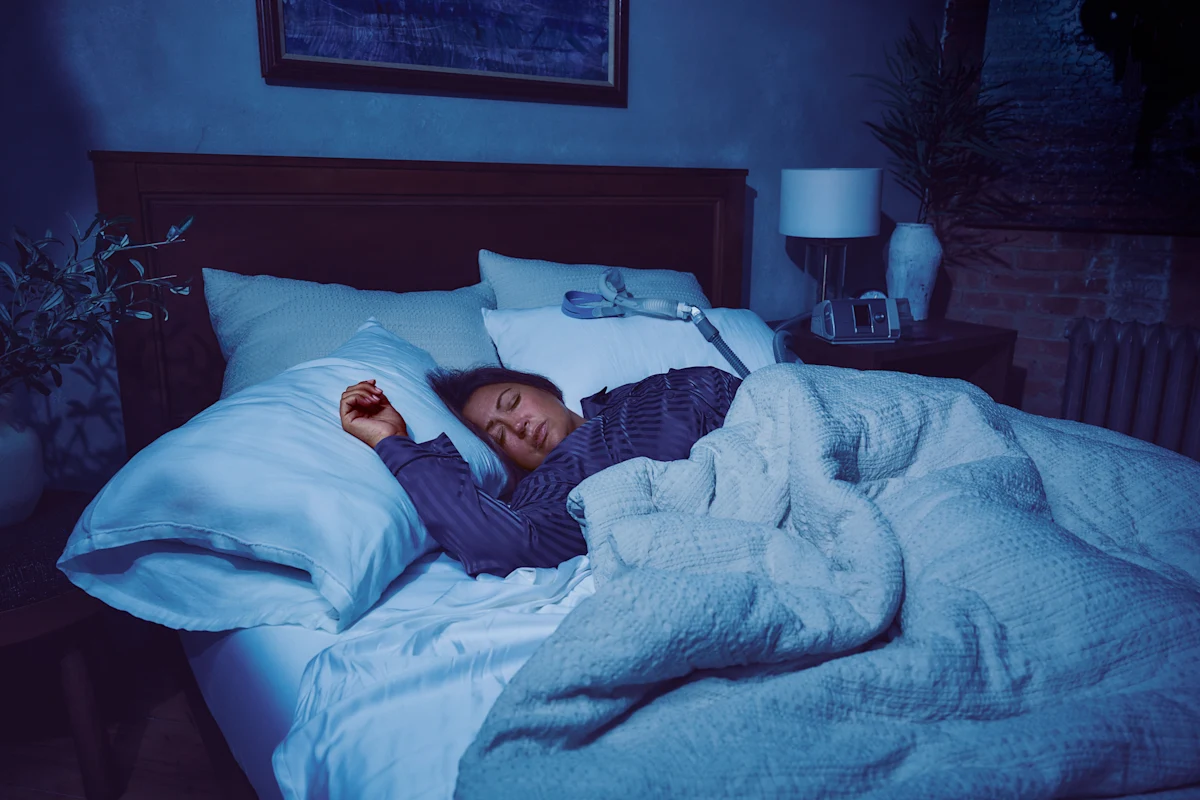
CPAP Compliance: Why People Stop Using CPAP and Explore Treatment Alternatives
Many people with sleep apnea struggle to use CPAP consistently. Learn why CPAP compliance matters and explore other treatment options, including Inspire® therapy.
Read More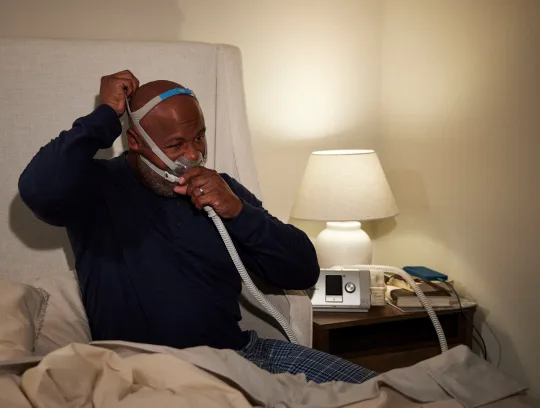 Sleep Education
Struggling with CPAP? Explore other apnea treatment options
Struggling with CPAP side effects? Learn about obstructive sleep apnea (OSA) and explore effective treatment options—including Inspire® therapy.
Read More Sleep Education
Your guide to what happens during a sleep study
Learn what happens during a sleep study, including what to do if you can't sleep or wake up during the test.
Read MoreInterested in learning more?
We’re here to help. Fill out the form below to receive more information about Inspire therapy, including how to qualify and what to expect.