Individual results may vary. Rx Only. View important safety information at inspiresleep.com/safety.
Your guide to what happens during a sleep study
Learn what happens during a sleep study, including what to do if you can't sleep or wake up during the test.

Key Takeaways
Clinic sleep studies monitor your brain, heart, breathing and body movements overnight.
A sleep study helps your doctor understand what happens in your body throughout sleep to help determine why you aren’t getting quality sleep.
It’s normal to wake up or have trouble sleeping during a sleep test, and the study is designed to account for this.
Results from sleep studies guide your care team in diagnosing sleep disorders and planning treatments, including CPAP or Inspire® therapy.
What’s keeping you up at night? That’s an important question your doctor will want to answer if you’re consistently struggling to get enough quality sleep. Once obvious causes – like caring for a newborn or taking certain prescription medications – are ruled out, your doctor may recommend a sleep study, also called a polysomnogram. Why would they suggest this? And what actually happens during a sleep study? Let’s take a look at what you can expect.
Home vs. in-clinic sleep disorder screenings
There are two kinds of sleep disorder screenings:
Home sleep tests are primarily used to screen for obstructive sleep apnea. They monitor your breathing and oxygen levels during sleep using devices such as wristbands or finger sensors. Your doctor reviews the results to make a diagnosis or determine additional assessment is needed.
Clinic or lab sleeps studies provide a more thorough evaluation. They monitor brain activity, eye movement, heart rate, breathing, blood oxygen levels and sleep position overnight. These are used to assess a range of conditions, including sleep apnea, narcolepsy, periodic limb movement and insomnia.
A clinician is required for a proper evaluation and diagnosis, and most insurance plans require a physician referral or clinical order for coverage.
Common symptoms that could signal you need a sleep test
Loud snoring. Waking up several times throughout the night. Feeling tired and cranky during the day. These are all common symptoms of sleep disorders. But different sleep disorders have different causes and treatments. For example:
The most common type of sleep apnea – obstructive sleep apnea (OSA) – is caused by a blocked airway. This happens when the tongue and other muscles and tissues in the upper airway relax too much during sleep and partially or completely block breathing. Treatments focus on keeping the airway open to make it easier to breathe.
Central sleep apnea (CSA) is caused by problems with the brain’s signals that control breathing, often related to heart or neurological conditions. Treatments focus on stabilizing breathing and managing the underlying condition.
Chronic insomnia is often linked to anxiety, depression or post-traumatic stress disorder. Treatments focus on managing the individuals’ mental health condition. Other factors like medical conditions or lifestyle habits may also contribute.
Sleep studies monitor your heart, brain and breathing to help identify possible causes of your disrupted sleep. In simple terms, a sleep study may show differences like:
disrupted breathing and frequent awakenings in OSA
pauses in breathing even though the airway is open in CSA
difficulty falling asleep and staying asleep in insomnia
By understanding what’s happening inside your body, your care team can determine the likely underlying cause of what’s keeping you up at night and help you manage it. (Read Why quality sleep matters)
How to prepare for an at-home sleep study
For a home test, follow the instructions provided carefully.
How to prepare for an in-lab sleep study
For a lab or clinic study, your sleep specialist will guide you on what to do to prepare for the sleep test. To help ensure accurate results, this includes avoiding behaviors that could interfere with your sleep or the test sensors, such as:
Not consuming caffeine or alcohol
Not taking naps during the day
Not using creams, lotions, perfume/cologne, makeup or hair products
You’ll be encouraged to bring an overnight bag with what you’ll need to replicate your regular bedtime routine: toothbrush, floss, comfortable pajamas, a book you like to read to wind down, etc.
Sleep study: General timeline
Here’s a general overview of what typically happens during your sleep study but please note, individual experiences may vary.
Arrival
After you arrive and check in for your appointment, you’ll typically be taken to a private room with a bathroom. In many cases, it will feel like a quiet hotel room, though it will be equipped with audio and video monitoring so technicians can track your sleep and communicate with you as needed.
You’ll get ready for bed, following your regular bedtime routine.
Setup
When you’re ready to go to sleep, a technician will come into the room and set up the sensors to monitor your sleep.
They are usually attached by an easy-peel adhesive, like tape, and go on your finger, head, and chest, with wires long enough for you to still move comfortably in bed.
Bedtime / Sleep monitoring
Your goal and role are simply to act as much as possible like you would at home and sleep as normally as possible.
The sleep study is monitoring your brain waves, eye movements, heart rate, breathing pattern, blood oxygen level, body position, chest, stomach and limb movement, snoring and other noises.
All of these factors can help your doctor understand why you aren’t getting quality sleep.
During the night – What happens if you wake up or can’t sleep
As you’re sleeping in an unfamiliar environment, it’s natural to not be able to fall asleep as quickly or sleep as well as you might at home. You’re also being tested because you may have a sleep disorder, which invariably makes it more difficult to sleep.
If you wake up, try to fall back to sleep.
If you need to use the bathroom, you can let the technicians know and they will help you unattach and reattach the sensors.
Rest assured, sleep studies are designed to account for these factors. Typically, for valid test results, you only need to sleep for a total of at least two hours.
If the technicians see signs you may have sleep apnea, they may have you try a continuous positive airway pressure (CPAP) device or another breathing support system during part of the study. These devices deliver a steady stream of air to support breathing during sleep. The goal is to see whether it helps improve your breathing and sleep.
Morning / end of study
When your sleep study is complete, a technician will help remove the sensors. Then you get up, get dressed and head out to resume life as usual.
Follow-up
Your care team will review the results to determine if you have a sleep disorder and its severity.
Based on this, your doctor will guide you on treatment options and develop a personalized care plan for you.
After the sleep study
When your sleep study is complete, a technician will help remove the sensors. Then you’ll get up, change and head out to resume life as usual.
Your care team will review the results to determine if you have a sleep disorder and its severity. Based on this, your doctor will guide you on treatment options and develop a personalized care plan for you.
Schedule your sleep study
If your doctor determines a sleep study is needed, they can help you schedule one. If you have been diagnosed with sleep apnea and qualify for Inspire® therapy, the Inspire Advisors team is available to help you understand sleep study requirements and schedule a sleep test.
Frequently asked questions about in-clinic sleep studies
1. What happens during a clinic sleep study?
An in-clinic (also called in-lab) sleep study (also called a polysomnography) monitors your heart, brain and breathing to help identify possible causes of your disrupted sleep. After checking in, you’ll go to a private room with your own bathroom. Many people describe it as feeling similar to being in a quiet hotel room.
You’ll get ready for bed, following your regular bedtime routine. When you’re ready to sleep, a technician will set up the sensors to monitor your sleep.
2. What happens if you wake up?
If you wake up, it’s encouraged to try to fall back to sleep. If you need to use the bathroom, you can let the technicians know and they will help you unattach and reattach the sensors.
3. What happens if you can't sleep?
It’s normal to have trouble falling asleep or to sleep less soundly during an in-clinic sleep study than you would at home. The unfamiliar environment can make it harder to relax, and if you have a sleep disorder, it may already affect your ability to sleep.
Rest assured, in-clinic sleep studies are designed to account for these factors. Typically, you only need to sleep for a total of at least two hours for valid test results.
4. What happens during a clinic sleep study test? / What do the sensors measure?
The sleep study is monitoring your:
Brain waves
Eye movements
Heart rate
Breathing pattern
Blood oxygen level
Body position
Chest, stomach and limb movement
Snoring and other noises
All of these factors can help your sleep doctor understand why you aren’t getting quality sleep.
5. How long does a clinic sleep study take?
Most overnight sleep studies take a full night. Talk to your provider for details.
6. Is a clinic sleep study uncomfortable?
Generally, people find sleep studies comfortable. Sensors use easy-peel adhesives and the wires are long enough to move in bed. The private room often feels like a quiet hotel room. Some people notice the unfamiliar environment or equipment, but technicians are there to help you adjust.
7. When will I get my sleep study results?
Your care team will review the results to determine if you have a sleep disorder and its severity. Based on this, your doctor will guide you on treatment options and develop a personalized care plan for you.
Timing varies, but results are typically reviewed soon after the study. Talk to your doctor about what to expect.
Related Articles
 Sleep Education
UARS vs. Sleep Apnea: Symptoms, Diagnosis and Treatment
Learn the key differences between upper airway resistance syndrome (UARS) and sleep apnea, including symptoms and treatment options for better sleep.
Read More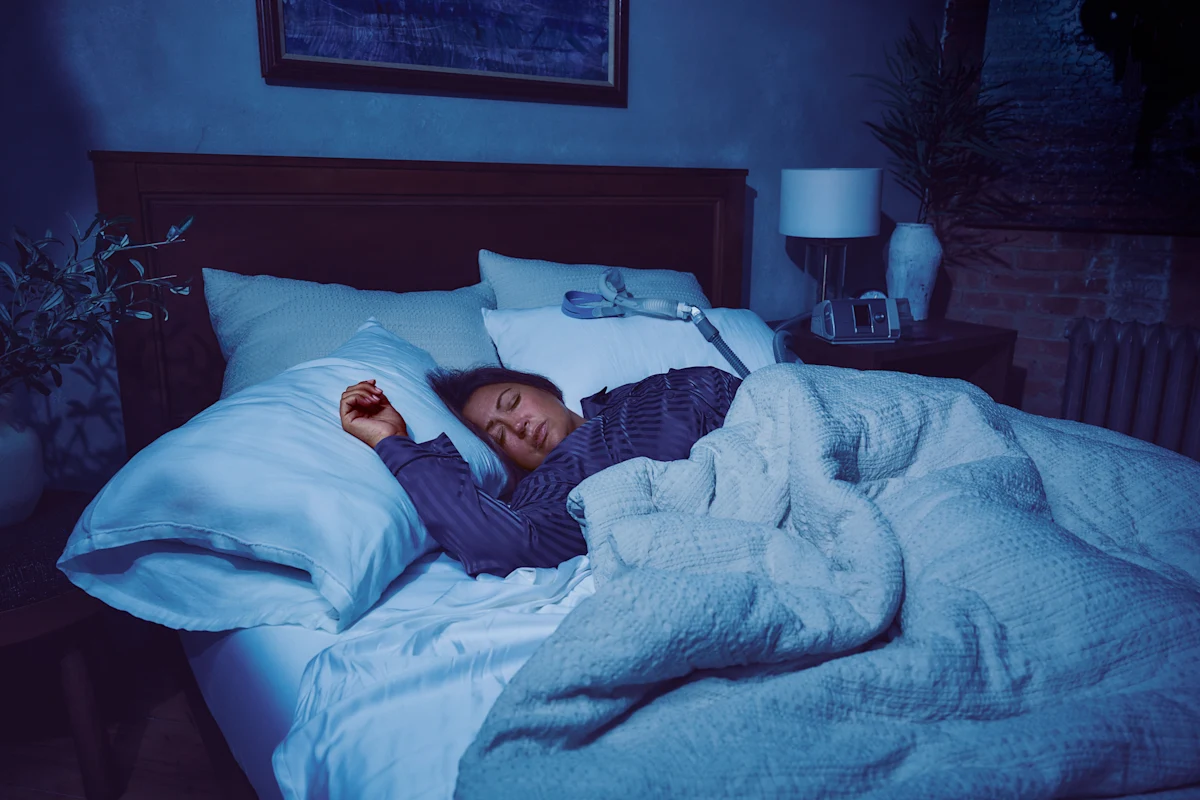 Sleep Education
CPAP Compliance: Why People Stop Using CPAP and Explore Treatment Alternatives
Many people with sleep apnea struggle to use CPAP consistently. Learn why CPAP compliance matters and explore other treatment options, including Inspire® therapy.
Read More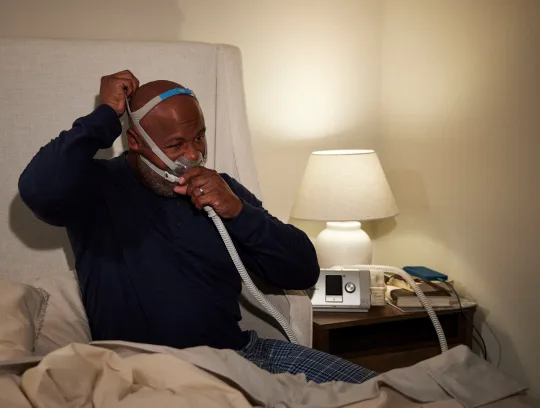 Sleep Education
Struggling with CPAP? Explore other apnea treatment options
Struggling with CPAP side effects? Learn about obstructive sleep apnea (OSA) and explore effective treatment options—including Inspire® therapy.
Read MoreInterested in learning more?
We’re here to help. Fill out the form below to receive more information about Inspire therapy, including how to qualify and what to expect.