Individual results may vary. Rx Only. View important safety information at inspiresleep.com/safety.
CSA vs. OSA: What’s the difference?
Is all sleep apnea the same? Learn the difference between central sleep apnea and obstructive sleep apnea, including their symptoms, risks, causes and treatment options.

If you’ve heard of sleep apnea, you probably know it’s a sleep disorder. But did you know there are three different kinds of sleep apnea – and each one makes it hard to get the deep sleep you need for your overall health and wellbeing?
Let’s take a closer look at what sleep apnea is, the different types, symptoms, risks and treatment options.
What is sleep apnea?
Sleep apnea is a condition where your breathing stops and starts repeatedly while you’re asleep. You may experience this cycle hundreds of times throughout the night and not even remember waking up. But you will likely feel symptoms – such as exhaustion, difficulty concentrating and trouble remembering things – during waking hours, because you’re not getting quality sleep.
These “sleep apnea events” cause your blood oxygen levels to drop, which makes it harder for your brain and body to function well. The reason this happens and how often depends on the type of sleep apnea you have and the severity of your condition.
Obstructive sleep apnea (OSA) is the most common type. It’s estimated up to 30% of adults have it, but most people – up to 90% – don’t know they have it.1,2 If you have OSA, the muscles in your throat, including your tongue, relax in a way that blocks your airway. This makes it hard to breathe, so your brain signals you to wake up and breathe.
Central sleep apnea (CSA) is far less common than OSA – fewer than 1% of adults have it.3 If you have CSA, your brain doesn’t consistently send the necessary signals to your muscles to breathe while you sleep. As you take fewer breaths or stop breathing for short periods, the oxygen and carbon dioxide levels in your bloodstream get out of balance. When they get too low, your brain signals you to take a breath, causing you to wake up suddenly and gasp for air. How often it happens depends on the severity of your condition. CSA can also make it harder to fall or stay asleep.
Complex or mixed sleep apnea (CompSA) is diagnosed when you have features of both OSA and CSA.
All three types of sleep apnea come with significant health risks and can harm your quality of life. It’s important to get a proper diagnosis and a treatment plan.
What are the health risks associated with sleep apnea?
For adults, it’s generally recommended to get 7 to 9 hours of quality sleep per night. But people with sleep apnea wake up repeatedly throughout the night – sometimes hundreds of times per hour. Over time, this poor quality sleep adds up. Without treatment, many people with OSA, CSA or CompSA feel exhausted on a daily basis, making it harder to stay awake, be alert, concentrate or be productive.
Chronic fatigue can also affect how well you’re able to manage your emotions and behaviors, leading to more mood swings, irritability, anxiety and distress. And when you feel like this, it can lead to strained relationships, poor work performance, and an increased risk of injuries and accidents.
As mentioned above, the ongoing sleep apnea events make it harder for your body to get enough oxygen. This puts stress on your vital organs, like your heart, lungs and brain – and that stress raises your risk for developing serious medical and mental health conditions, including:
Hypertension (high blood pressure)
Heart disease
Heart attack
Stroke
Type 2 diabetes
Obesity
Depression
Anxiety
Unmanaged sleep apnea can make existing health conditions worse or more difficult to manage, too.
At the same time, certain health conditions can increase your risk for developing OSA, CSA or CompSA. In fact, most people who develop CSA do so due to another underlying condition, such as congestive heart failure or a prior stroke. And CompSA sometimes develops when you get treated for OSA. This is called “treatment emergent” central apnea. Meanwhile, OSA is often linked to factors like obesity and certain genetic conditions, including Down syndrome.
How do you know if you have sleep apnea?
The symptoms of OSA and CSA overlap with each other and with other sleep disorders. So, a thorough examination and proper diagnosis from a medical professional is typically required to identify which type of sleep apnea disorder a person has.
While individuals experience sleep apnea in different ways, common symptoms include:
Wake up gasping for air
Feel exhausted, fall asleep or take naps during the day
Wake up with a dry mouth, sore throat or headache
Sleep restlessly, including tossing and turning or getting up to use the toilet
Difficulties with focus and/or your memory
Frequently catch common colds
Sexual dysfunction
Mood swings and other changes in behavior
Others notice you stop breathing during sleep
Some symptoms, though, are more commonly associated with one or the other. For example:
Snoring and excessive weight are more often linked to OSA.
Trouble breathing during the day, difficulty swallowing, voice changes, numbness and chest discomfort are more often linked to CSA.
Who gets sleep apnea?
Sleep apnea can affect anyone of any age (including infants) and backgrounds. However, both OSA and CSA are more commonly found in males, older adults and those with a family history of the condition. They also tend to develop more often in people with cardiovascular, metabolic, neurological or respiratory conditions.
That said, the specific conditions and risk factors associated with OSA and CSA differ.
OSA is more often linked to:
Hypertension (high blood pressure)
Type 2 diabetes
Asthma/COPD
Excess body weight
Structural differences in the face, jaw, tongue and mouth, like large tonsils or adenoids, a smaller upper airway, a thick neck, or reduced muscle tone in your neck or airway
Genetic conditions including Down syndrome
Smoking, drinking alcohol and using sedatives
CSA is more often linked to:
Congestive heart failure
Atrial fibrillation
Stroke and other neurological conditions like amyotrophic lateral sclerosis (ALS) and myasthenia gravis (MG)
Certain inherited disorders, including Rett syndrome and congenital central hypoventilation syndrome
Opioid pain medications or opioid use disorder
How are OSA and CSA diagnosed?
OSA and CSA tend to follow the same diagnosis path. Your provider will typically review your symptoms and medical history, and ask you to complete a sleep study (called a “polysomnography”). The sleep study may take place in a lab or through an at-home test, depending on your symptoms and other factors. The sleep study helps evaluate your brain waves, heartbeat, movements, oxygen levels and breathing patterns while you sleep. Based on the results, your provider can determine if you have a sleep disorder and if so, which one.
For sleep apnea, they’re assessing whether your breathing pauses for short periods during sleep – and what might be causing it. For example, if the pauses in breathing happen because something is blocking your airway, that’s usually OSA. If they happen because your brain isn’t sending the signal to breathe, that’s more in line with CSA.
The number of sleep apnea events indicates the severity:
Mild: breathing pauses 5-14 times per hour
Moderate: breathing pauses 15-30 times per hour
Severe: breathing pauses more than 30 times per hour.
Conditions with more severity have more associated serious health risks.
How is sleep apnea treated?
A variety of treatment options are available for OSA and CSA. Providers typically make recommendations based on your sleep study results, age, overall health, insurance coverage and lifestyle factors.
The first line of defense for OSA and (to a lesser extent) CSA often involves making lifestyle changes that may reduce symptoms. These may include adjusting your sleep routine and position, and avoiding smoking, alcohol and sedative substances.
For OSA, additional strategies may include:
Increasing physical activity.
Losing excess weight if overweight.
Doing “myofunctional therapy” exercises to strengthen the tongue, mouth and throat muscles.
Using dental appliances, such as mouthpieces, to reposition the jaw and tongue to help keep the airway open during sleep.
It’s important to note: While these strategies can help reduce the severity of symptoms for some people, many still need additional medical treatment to get their sleep apnea to a safe level.
If you have co-occurring health conditions that may be contributing to your sleep apnea symptoms, your provider will also address them. This may include collaborating with other specialists to ensure you’re following an appropriate care plan. From there, they may recommend sleep apnea-specific interventions. These differ for OSA and CSA.
Medical treatments for OSA
For OSA, the first prescribed treatment is typically a continuous positive airway pressure (CPAP) machine. It’s a system that delivers air directly into your airway. It does this through a hose attached to a mask that’s attached over your nose and/or mouth. It’s meant to keep your airway open during sleep, so you can breathe more easily. About half of patients4, 5 prescribed CPAP therapy struggle with it or stop using it.
For those who are unable to tolerate or find benefit from CPAP, Inspire® therapy is another option. It’s the leading FDA-approved hypoglossal nerve stimulation therapy for treating OSA. The therapy has been proven to reduce the number of sleep apnea events by up to 79% – and more than 100,000 people have trusted it to treat their OSA.6, 7
Different from other OSA treatments, Inspire therapy is a mask-free8 solution that works inside your body to treat the root cause of OSA. The small Inspire® implant, placed under your skin near your collarbone during a short outpatient procedure, delivers gentle pulses to your airway muscles while you sleep. These pulses help keep your airway open, so you can breathe regularly and sleep soundly. You use a small remote control to turn the therapy on and off.
An inpatient surgical procedure (meaning, requiring hospitalization) may be recommended if the structure of your nose, mouth, throat or jaw gets in the way of airflow. The specific type of surgery would depend on your unique needs, but it often involves repairing airway-related structures or removing tissue that blocks airflow. These types of surgeries are usually considered when other treatments haven’t been effective, as they tend to carry more risk and require a longer recovery time.
Medical treatments for CSA
For CSA, positive air pressure (PAP) systems – such as continuous positive air pressure (CPAP), bilevel positive air pressure (BiPAP) or adaptive servo-ventilation (ASV) machines – are often prescribed for people with moderate to severe CSA. These devices deliver air through a hose and mask to support breathing during sleep.
They may also recommend using a device that delivers supplemental oxygen to you directly.
If these treatments don’t work well for you, then your provider may recommend a prescription medication to help you breathe while you sleep.
Another option may be transvenous phrenic nerve stimulation therapy. This therapy delivers electrical pulses to the phrenic nerve, which controls the diaphragm, to trigger you to breathe steadily.
Consult with a healthcare provider
If you’re concerned you or someone you care about might have sleep apnea, rest assured, OSA, CSA and CompSA disorders are treatable. It’s important to seek medical advice, such as from a primary care provider. Left untreated, sleep apnea disorders can lead to serious health risks or worsen existing ones.
With the right diagnosis and treatment, many people with sleep apnea effectively manage their condition – and improve the quality of their sleep, health and overall well-being.
Sources
1 SleepApnea.org, Central Sleep Apnea. Updated November 18, 2022.
2 Johns Hopkins Medicine, Obstructive Sleep Apnea. Accessed April 10, 2025.
3 SleepApnea.org, Central Sleep Apnea. Updated November 18, 2022.
4 Rotenberg et al. Trends in CPAP adherence over twenty years of data collection: a flattened curve. Journal of Otolaryngology Head and Neck Surgery 2016; 45:43.
5 Weaver, TE, Sawyer, AM. "Adherence to Continuous Positive Airway Pressure Treatment for Obstructive Sleep Apnea: Implications for Future Inventions." Indian Journal of Medical Research, 2010; 131: 245-258.
6 Woodson BT, Strohl KP, Soose RJ, et al. Upper Airway Stimulation for Obstructive Sleep Apnea: 5-Year Outcomes. Otolaryngology Head Neck Surgery 2018; 159(1):194-202).
7 Data on file.
8 ADHERE Registry: Data on File.
American Medical Association, What doctors wish patients knew about sleep apnea. Published April 1, 2022.
BMC Psychiatry, Depressive, anxiety, and sleep disturbance symptoms in patients with obstructive sleep apnea: a network analysis perspective. January 28, 2025.
Cleveland Clinic, Central Sleep Apnea: What It Is, Causes, Symptoms & Treatment. Reviewed January 27, 2024.
Cleveland Clinic, Obstructive Sleep Apnea (OSA): Symptoms & Treatment. Reviewed December 4, 2024.
Columbia University, How Sleep Deprivation Impacts Mental Health. March 6, 2022.
HealthHub, The Importance of Sleep. Reviewed November 15, 2022.
Mayo Clinic, Obstructive sleep apnea - Symptoms and causes. July 14, 2023.
Mayo Clinic, Sleep apnea - Symptoms and causes. Published April 6, 2023.
Sleep Foundation, Central Sleep Apnea: Symptoms, Causes, and Treatments. Updated November 3, 2023.
Sleep Foundation, Obstructive Sleep Apnea: Symptoms, Causes, and Treatments. Updated April 16, 2024.
Sleep Foundation, Understanding the Apnea-Hypopnea Index (AHI). Updated January 17, 2025.
The University of Kansas Health System, Sleep Apnea Surgery. Accessed April 10, 2025.
Related Articles
 Sleep Education
UARS vs. Sleep Apnea: Symptoms, Diagnosis and Treatment
Learn the key differences between upper airway resistance syndrome (UARS) and sleep apnea, including symptoms and treatment options for better sleep.
Read More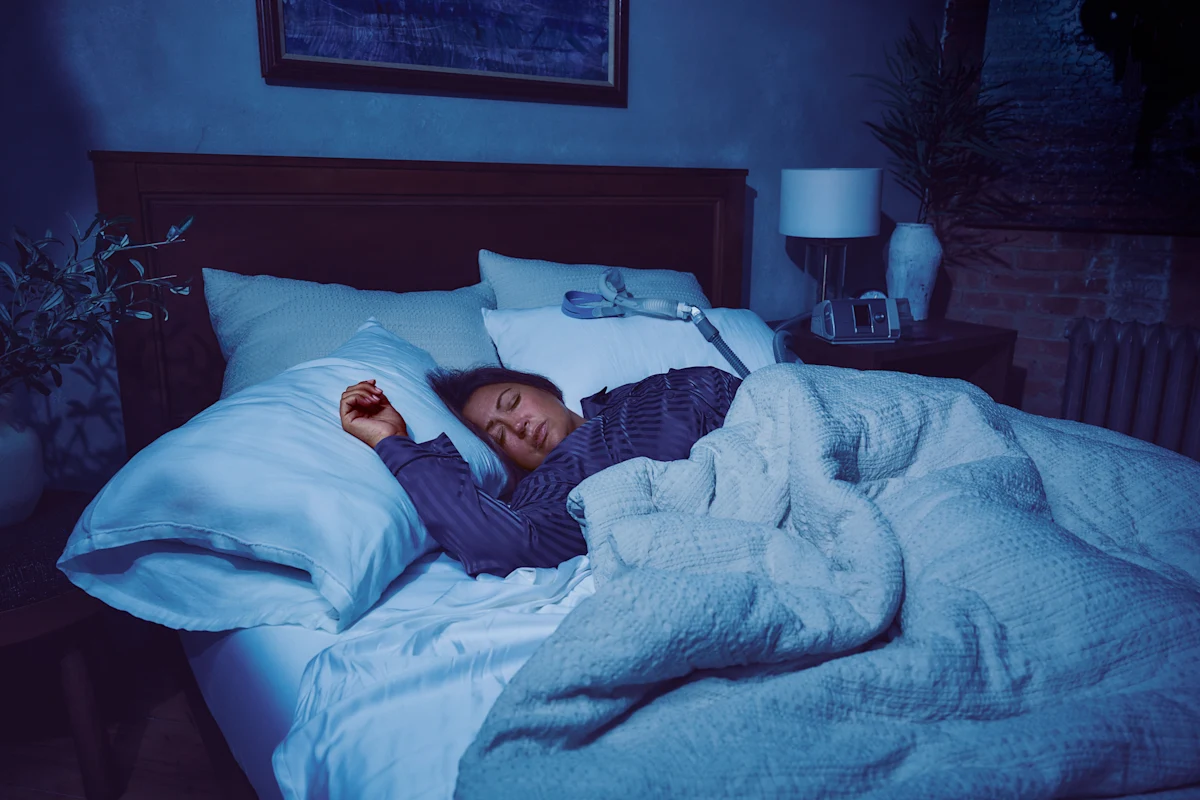 Sleep Education
CPAP Compliance: Why People Stop Using CPAP and Explore Treatment Alternatives
Many people with sleep apnea struggle to use CPAP consistently. Learn why CPAP compliance matters and explore other treatment options, including Inspire® therapy.
Read More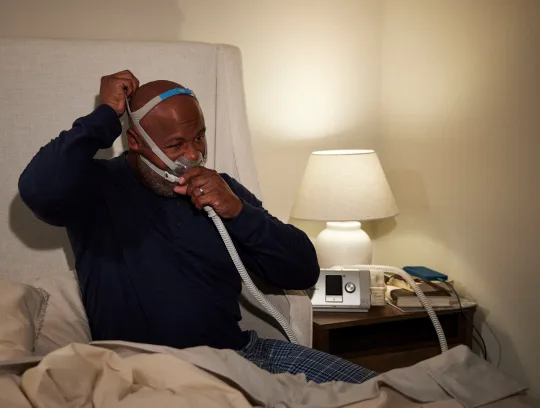 Sleep Education
Struggling with CPAP? Explore other apnea treatment options
Struggling with CPAP side effects? Learn about obstructive sleep apnea (OSA) and explore effective treatment options—including Inspire® therapy.
Read MoreInterested in learning more?
We’re here to help. Fill out the form below to receive more information about Inspire therapy, including how to qualify and what to expect.