Individual results may vary. Rx Only. View important safety information at inspiresleep.com/safety.
Sleep apnea screening tests: What to know about sleep studies
If you’re having trouble sleeping, and are noticing other symptoms of sleep apnea, you may be thinking about a sleep apnea screening test.

Key Takeaways
Sleep studies help doctors understand what happens while you sleep. By monitoring breathing, oxygen levels, brain activity and heart rate, sleep studies can identify sleep apnea and other sleep disorders that may be causing daytime fatigue or poor sleep.
Depending on your symptoms and medical history, your doctor may recommend one of two types of sleep studies: an at-home sleep test or a more comprehensive in-clinic (lab) sleep study.
Most formal sleep studies require a doctor’s referral or clinical order, and insurance coverage often depends on this step.
Obstructive sleep apnea is a common sleep disorder diagnosed with sleep testing. Left untreated, it can increase your risk for serious health conditions and impact your overall quality of life.
Once sleep apnea diagnosis is confirmed, your care team can recommend appropriate treatment options to improve sleep, overall health and quality of life.
Understanding what happens during a sleep study – and why it matters – can help you feel more prepared, whether you’re testing at home or in a sleep lab. Here’s what to know.
What is sleep apnea?
Obstructive sleep apnea (OSA) is the most common type of sleep apnea, affecting an estimated 54 million Americans.1 It occurs when the muscles and tissues in the upper airway relax during sleep, partially or completely blocking airflow. These repeated breathing interruptions temporarily wake your brain up, preventing deep, restful sleep and lowering your oxygen levels. Over time, this increases your risk for serious health conditions, which is why proper testing and diagnosis are so important.
The two other types of sleep apnea are: central sleep apnea (CSA), where the brain doesn’t consistently signal breathing, and complex or mixed sleep apnea (CompSA), which combines features of both OSA and CSA.
What are sleep apnea screening tests?
Sleep studies screen for a range of disorders, including:
Sleep apnea
Narcolepsy
Restless leg syndrome / periodic limb movement
Insomnia
And other conditions
The purpose of a sleep study is to monitor your sleep and detect potential problems with your breathing, brain activity or heart rate.
Because some symptoms of sleep disorders overlap – like feeling tired all the time – understanding what happens during sleep helps doctors confirm a suspected condition or determine the underlying cause.
How to know if you need a sleep study
Paying attention to how you feel day to day can help you know when to consider getting tested for sleep apnea. For example, you may notice feeling tired, unfocused, unalert or irritable during the day. You may also notice or be told you often snore loudly, wake up gasping for air or move around a lot during sleep. These are all common signs of sleep apnea.
In addition, certain health conditions, such as high blood pressure, heart disease, type 2 diabetes, obesity and depression, may also increase your risk for sleep apnea.
It’s a good idea to consult with a healthcare provider. They can review your symptoms and medical history and determine if a sleep study is recommended.
Do you need a doctor referral for a sleep apnea test?
If you’re wondering if you need a doctor referral for a sleep apnea test, the answer is usually yes. A doctor referral or clinical order is typically required for formal at-home and in-clinic sleep studies.
Some people wonder if they can do a sleep study without a doctor’s referral. While you can find at-home “sleep tests” to order online, a clinician is required for a proper evaluation and diagnosis.
Most insurance plans also require a physician referral or order for coverage.
How to get a referral for sleep apnea testing
If you’re concerned you may have a sleep disorder, schedule an appointment with your primary care provider or a sleep specialist. They’ll review your symptoms and medical history and, if necessary, provide you with a referral for an at-home or in-clinic sleep study.
Sleep study options
Home sleep tests
Home sleep tests are primarily used to screen for obstructive sleep apnea. They monitor your breathing and oxygen levels during sleep using devices such as wristbands or finger sensors.
Your doctor may recommend a home sleep test if you report loud snoring, frequent nighttime awakenings or daytime fatigue. The equipment is usually sent directly to your home with instructions. Your doctor reviews the results to make a diagnosis or determine additional assessment is needed.
Clinic or lab sleep studies
For a more thorough evaluation, in-clinic sleep studies monitor brain activity, eye movement, heart rate, breathing, blood oxygen levels and sleep position overnight.
The setup is similar to staying in a hotel. You typically have a private bedroom and bathroom. Technicians monitor the study from another room using video and audio equipment and communicate with you as needed. In some cases, CPAP or other airway support may be tested during the study.
Importantly, in-clinic sleep studies conducted can also evaluate for other sleep disorders, helping your doctor confirm – or rule out – what’s causing your sleep disturbances.
Insurance coverage for sleep apnea testing
Coverage depends on your insurance plan, but most plans require a physician referral or prior authorization to cover a sleep study. Talk to your provider or insurer to understand what is covered and your potential out-of-pocket costs.
Preparing for a sleep study
Your sleep specialist will guide you on what to do to prepare for the sleep test, including tips for what to pack if you’re doing an overnight. To help ensure accurate results, this generally includes avoiding behaviors that could interfere with your sleep or the sensors used to monitor your sleep:
Not consuming caffeine or alcohol
Not taking naps during the day
Not using creams, lotions, perfume/cologne, makeup or hair products
They’ll also encourage you to follow your usual bedtime routine as much as possible.
While these are commonly used guidelines, your sleep technician will give you specific directions on how to prepare.
After the sleep study
Your care team will review the results to determine if you have a sleep disorder and its severity. Based on this, your doctor will guide you on treatment options and develop a personalized care plan for you.
Sleep apnea treatments
If you have moderate to severe sleep apnea, a continuous positive airway pressure (CPAP) system is commonly prescribed. It uses a mask and hose to deliver pressurized air to keep your airway open during sleep. While many people experience symptom relief with CPAP, about half of patients struggle with or stop using it.2,3
If CPAP is difficult for you to use, talk to your provider. They can assess your situation and offer guidance to improve your experience or recommend alternative treatment options, such as Inspire® therapy. It’s a mask-free4 solution that works comfortably inside your body to treat the root cause of obstructive sleep apnea.5
Consult your medical provider
If you’re experiencing symptoms of a possible sleep disorder, talk with your doctor about whether a sleep apnea screening test is right for you.
To learn more about FDA-approved sleep apnea treatments, including Inspire therapy, check out:
Frequently asked questions
1. Do you need a doctor referral for a sleep apnea test?
Usually, yes. A doctor referral or clinical order is typically required for formal at-home and in-clinic sleep studies. A healthcare provider reviews your symptoms and medical history and, if they suspect sleep apnea or another sleep disorder, they can refer you for testing.
2. How do I know if I need a sleep study?
You may notice feeling tired, unfocused, unalert or irritable during the day. You also may snore loudly, wake up gasping for air or move around a lot during sleep. If these symptoms are present, it’s a good idea to consult with a healthcare provider. They can determine whether a sleep study is recommended.
3. Can I get a sleep study without seeing a doctor?
Yes, some at-home “sleep tests” can be ordered online without seeing a doctor first. However, these tests are limited in what they can measure and don’t provide a complete evaluation. A healthcare provider is still needed to review the results, make a diagnosis and recommend appropriate treatment.
Formal sleep studies—whether done in a clinic or at home—are typically ordered by a doctor, especially if your symptoms are complex, if you have other health conditions, or if insurance coverage requires a referral.
4. Does insurance cover sleep apnea testing without a referral?
Most insurance plans require a physician referral or clinical order for coverage. Coverage can vary depending on the type of test and your insurance plan, so it’s important to check with your provider or insurance company to know.
5. What are the signs I should get tested for sleep apnea?
Common signs include loud snoring, frequent nighttime awakenings, waking up gasping for air, and feeling tired, unfocused or unalert during the day. Certain health conditions, such as high blood pressure, heart disease, type 2 diabetes, obesity and depression, can also increase your risk.
6. How long does it take to get a referral for a sleep study?
A referral is typically made after you meet with a healthcare provider who reviews your symptoms and medical history. If sleep apnea or another sleep disorder is suspected, they can refer you for an at-home or in-clinic study. The timing can vary depending on your provider, your specific situation, the type of test, and the availability at the testing facility.
7. What’s the difference between screening and a sleep study?
Sleep apnea screening refers to the process of evaluating symptoms and risk factors and using testing to look for and identify potential sleep-related problems. A sleep study, also called a polysomnogram, is the formal test used to monitor your sleep and detect problems with breathing, brain activity or heart rate.
Because symptoms of sleep disorders can overlap, the data collected during a sleep study helps doctors confirm a suspected condition or determine the underlying cause.
Sources
1 Benjafield, A. V., Ayas, N.T,, Eastwood, P.R., Heinzer, R., Ip, M.S.M., Morrell, M.J., et al. (2019) Estimation of the global prevalence and burden of obstructive sleep apnoea: a literature-based analysis, The Lancet Respiratory Medicine, 7(8): 687-698
2 Rotenberg et al. Trends in CPAP adherence over twenty years of data collection: a flattened curve. Journal of Otolaryngology Head and Neck Surgery 2016; 45:43
3 Weaver, TE, Sawyer, AM. "Adherence to Continuous Positive Airway Pressure Treatment for Obstructive Sleep Apnea: Implications for Future Inventions." Indian Journal of Medical Research, 2010; 131: 245-258.
4 ADHERE Registry: Data on File
5 Suurna MV, Steffen A, Boon M, et al. Impact of Body Mass Index and Discomfort on Upper Airway Stimulation: ADHERE Registry 2020 Update. Laryngoscope 2021; 131(11): 2616-2624.
American Association of Sleep Technologists, What Is Polysomnography? November 17, 2022.
Cleveland Clinic, Sleep Study: What It Is, What To Expect, Types & Results. February 10, 2023.
Johns Hopkins, What Happens in a Sleep Study? Accessed December 29, 2025.
Johns Hopkins, What to Know About an At-Home Sleep Test. Accessed December 29, 2025.
Mayo Clinic, Polysomnography (sleep study). January 1, 2025.
Medicare.gov, Sleep Studies. Accessed December 30, 2025.
Sleep Foundation, How Does a Sleep Study Work? November 26, 2025.
Sleep Foundation, How Much Does a Sleep Study Cost? November 25, 2025.
Sleep Foundation, How to Prepare for a Sleep Study. July 25, 2025.
Related Articles
Sleep EducationUARS vs. Sleep Apnea: Symptoms, Diagnosis and Treatment
Learn the key differences between upper airway resistance syndrome (UARS) and sleep apnea, including symptoms and treatment options for better sleep.
Read More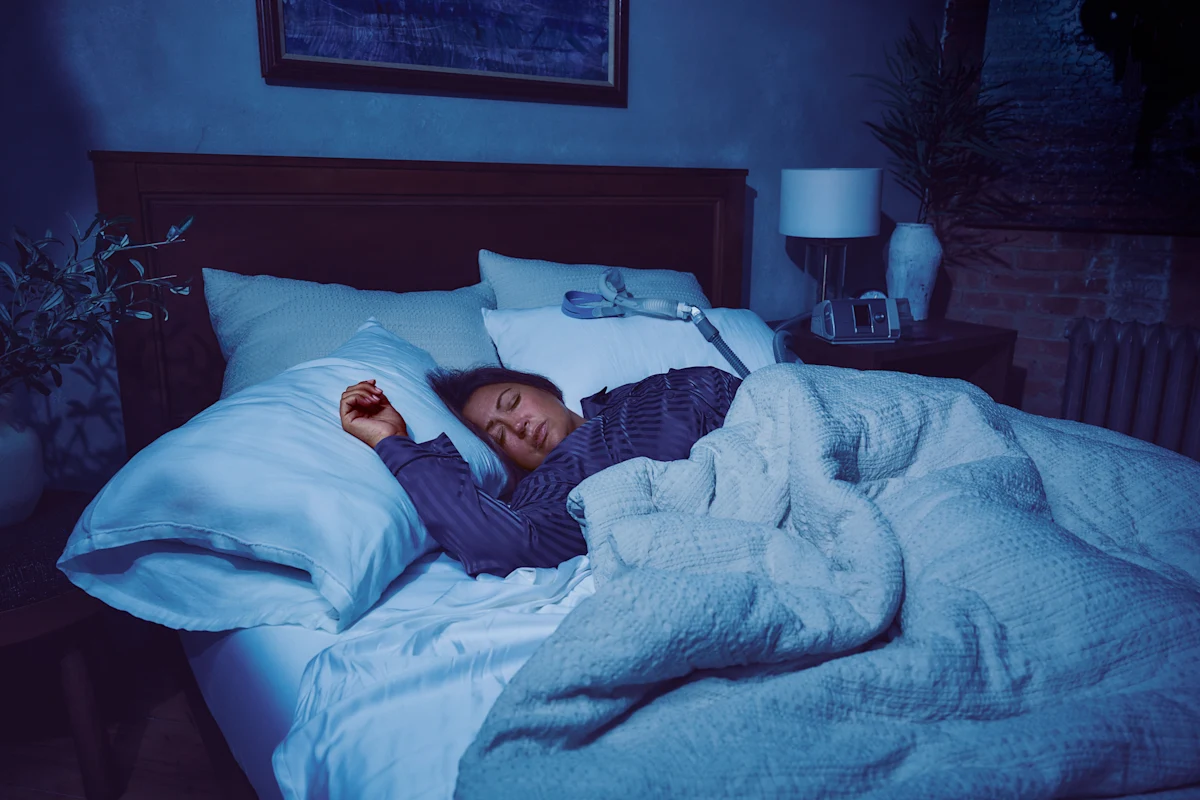 Sleep Education
CPAP Compliance: Why People Stop Using CPAP and Explore Treatment Alternatives
Many people with sleep apnea struggle to use CPAP consistently. Learn why CPAP compliance matters and explore other treatment options, including Inspire® therapy.
Read More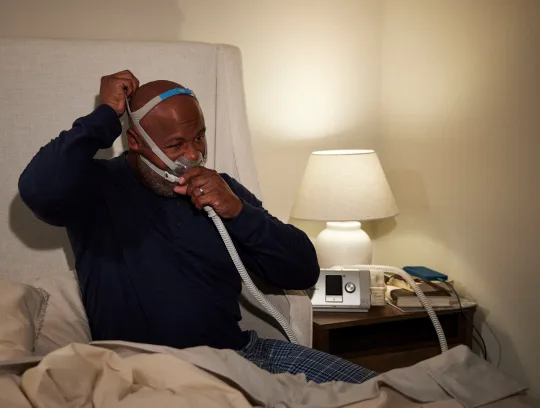 Sleep Education
Struggling with CPAP? Explore other apnea treatment options
Struggling with CPAP side effects? Learn about obstructive sleep apnea (OSA) and explore effective treatment options—including Inspire® therapy.
Read MoreInterested in learning more?
We’re here to help. Fill out the form below to receive more information about Inspire therapy, including how to qualify and what to expect.