
No mask. No hose. Just sleep.™
Inspire® Therapy for Children with Down syndrome.

Down syndrome and Obstructive Sleep Apnea
Each year, about 6,000 babies are born with Down syndrome.1 Of those children, about 60% will be affected by obstructive sleep apnea (OSA) due to smaller breathing pathways, lower muscle tone, and larger tongue anatomy common in those with Down syndrome.1-3
Children with OSA struggle with a number of daily issues due to continuous poor sleep including challenges with behavior, difficulties at school, and issues with spoken language.
While some children with Down syndrome do well with treatments like continuous positive airway pressure (CPAP) therapy to help treat their OSA, many are unable to find a mask that properly fits their unique facial anatomy, or they cannot tolerate wearing a mask due to sensory disorders. Both, or either, of these concerns can make wearing a CPAP mask a difficult long-term sleep apnea solution for those with Down syndrome.4-5
Meet Auden G.
Before Inspire therapy, Auden struggled with loud snoring, restless nights, and sleep deprivation that left her feeling tired throughout the day. After getting her Inspire® implant, she began sleeping better immediately, bringing back her energy, focus, and the joyful spirit her family had missed, while giving her parents long-awaited peace of mind and rest.
Watch Auden’s video series to learn more about her life with Down syndrome and obstructive sleep apnea and how Inspire therapy not only helps her thrive, but also supports her growing independence.
A transformed life
Qualifications for Inspire therapy
Children with Down syndrome who meet the below criteria may be candidates for Inspire therapy.
Age 13 or older
Diagnosed with severe obstructive sleep apnea (between 10 and 50 events per hour)
Not effectively treated by adenotonsillectomy
Unable to benefit from CPAP
Why choose Inspire therapy?
Here are some reasons people have chosen Inspire therapy to treat sleep apnea.

Breathe better
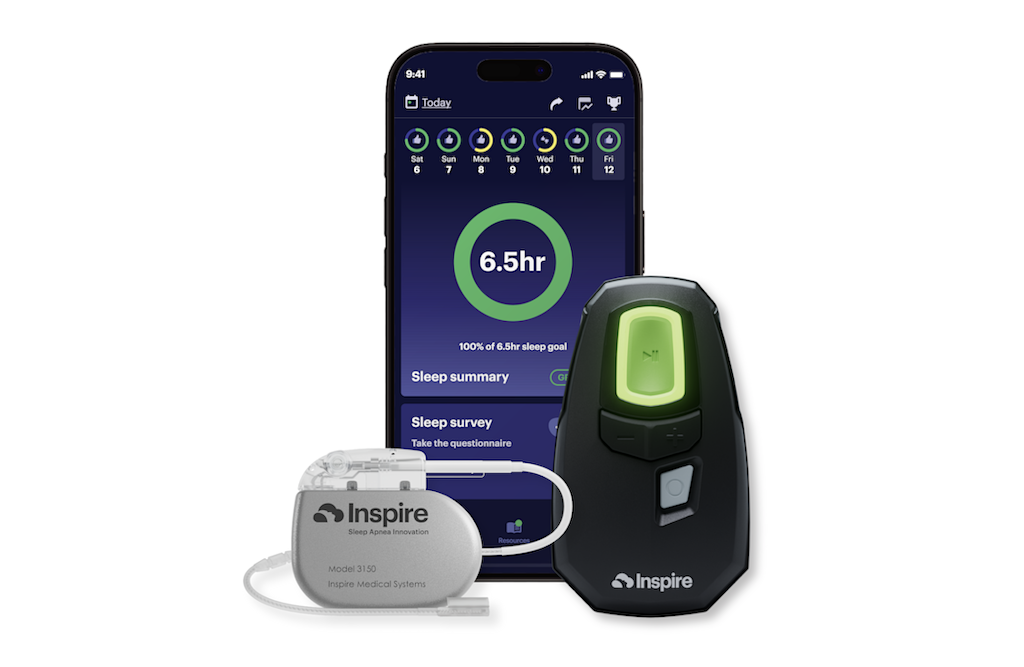
Inspire therapy is the first FDA approved obstructive sleep apnea treatment that works inside the body to treat the root cause of sleep apnea. Through a small device implanted during a minimally invasive procedure, Inspire therapy uses gentle stimulation to keep the airway open during sleep.

Sleep better
Because Inspire therapy is a simple, low- maintenance therapy that works without the use of a mask or hose, children are able to sleep more peacefully at night, allowing for more restful sleep.
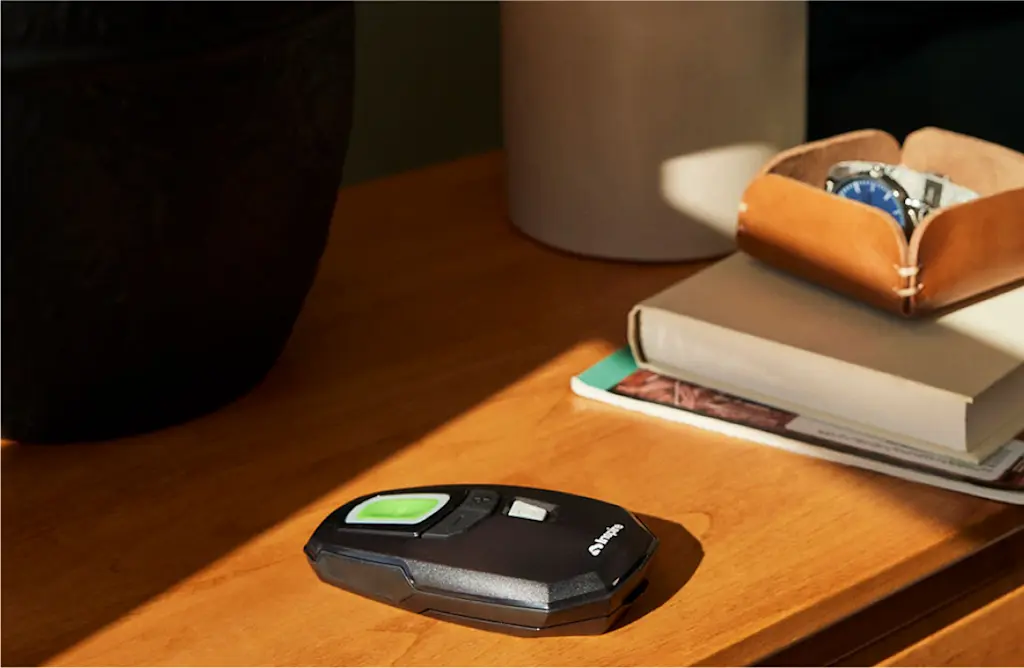
When they’re ready for bed, they can simply click the button on their remote to turn Inspire therapy on. In the morning, they click the remote once more to turn the therapy off.
Inspire therapy also has automatic “shut-off” and delayed “turn-on” features. These allow time for children to fall asleep before the therapy turns on, and automatically turns the therapy off after a certain amount of run-time.

Feel better
Caregivers report that their children with Down syndrome have less daily tiredness and show increased alertness and energy after consistent use of Inspire therapy.
Patient outcomes
Inspire therapy is a safe and effective alternative to treat OSA for those who are not effectively treated by current therapies like CPAP.
53%
Reduction in sleep apnea events in children with Down syndrome using Inspire therapy consistently.6
Insurance coverage for Inspire therapy
If FDA indications are met you can work with your insurance company to discuss coverage options for Inspire therapy. You can also reach out to an Inspire therapy insurance specialist at [email protected] for assistance with insurance approval.
Inspire is not for everyone. Talk to your doctor about risks, benefits and expectations associated with Inspire. Risks associated with the surgical implant procedure may include infection and temporary tongue weakness. In rare cases tongue paresis and atrophy may occur. Some patients may require post implant adjustments to the system’s settings in order to improve effectiveness and ease any initial discomfort they may experience. Important safety information and product manuals can be found at InspireSleep.com, or call 1-844-OSA-HELP.