
The Inspire® implant procedure
99.6% of Inspire implant procedures are successfully completed without any major complications.1
1 Suurna MV, Steffen A, Boon M, et al. Impact of Body Mass Index and Discomfort on Upper Airway Stimulation: ADHERE Registry 2020 Update. Laryngoscope 2021; 131(11): 2616-2624
Treating the root cause of your OSA
Instead of using a machine outside of your body to force air into your airway through a mask and hose, the Inspire implant works comfortably1 inside your body to treat the root cause of your obstructive sleep apnea (OSA).
When we sleep, our airway muscles and tongue relax. For people with OSA, the tongue relaxes into a position that blocks the airway.
When your airway is blocked you get less oxygen to your brain, triggering you to wake up to take a breath. This cycle happens repeatedly, preventing quality sleep.
The Inspire implant delivers gentle pulses that move your tongue out of the way each time you take a breath, keeping your airway open while you sleep soundly. No mask or hose required.
1 Suurna MV, Steffen A, Boon M, et al. Impact of Body Mass Index and Discomfort on Upper Airway Stimulation: ADHERE Registry 2020 Update. Laryngoscope 2021; 131(11): 2616-2624
Safe Outpatient Procedure
During a short and safe outpatient procedure,1* an Inspire-trained provider will make two small incisions. One incision is to place the implant under your skin near your collarbone. The other incision, beneath your jawline, connects the implant to the nerve in your neck that controls your tongue.
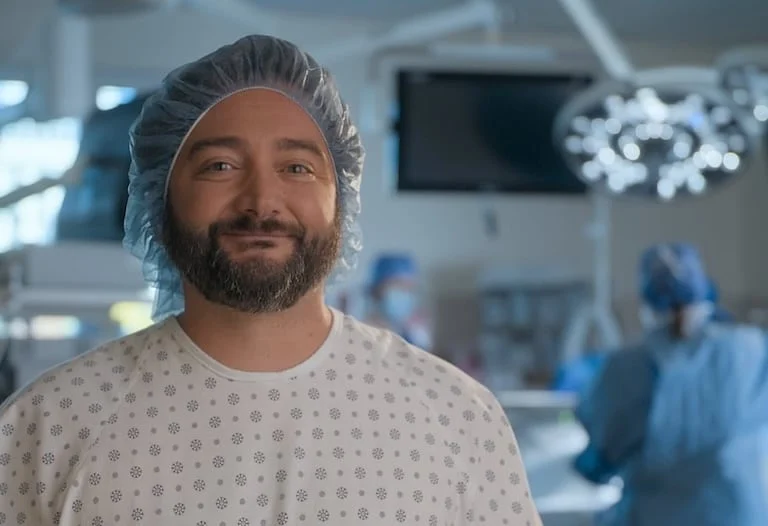
* As with any surgically implanted device, there are risks associated with the Inspire system. See safety information at inspiresleep.com/safety.
1 Suurna MV, Steffen A, Boon M, et al. Impact of Body Mass Index and Discomfort on Upper Airway Stimulation: ADHERE Registry 2020 Update. Laryngoscope 2021; 131(11): 2616-2624
Healing and Recovery
After the procedure, most people require nothing more than over-the-counter pain medication, and within a few days, can resume non-strenuous activities. Talk to your provider about when you can resume light activity and return to work.

Sleep better1 with Inspire therapy
A follow-up appointment will be scheduled to turn on the Inspire implant, review how to use your Inspire™ remote and adjust your therapy settings. Your Inspire-trained provider will work with you to guide you to the right therapy level for you.
Learn more about the process, and what to expect, below.
1 Woodson BT, Strohl KP, Soose RJ, et al. Upper Airway Stimulation for Obstructive Sleep Apnea: 5-Year Outcomes. Otolaryngology Head Neck Surgery 2018; 159(1):194-202
Find an event near you
Join a free event to learn more about sleep apnea and treatment options, including how Inspire therapy is helping people sleep better.1 If you have questions, the provider hosting the event will also be available for a Q&A session!
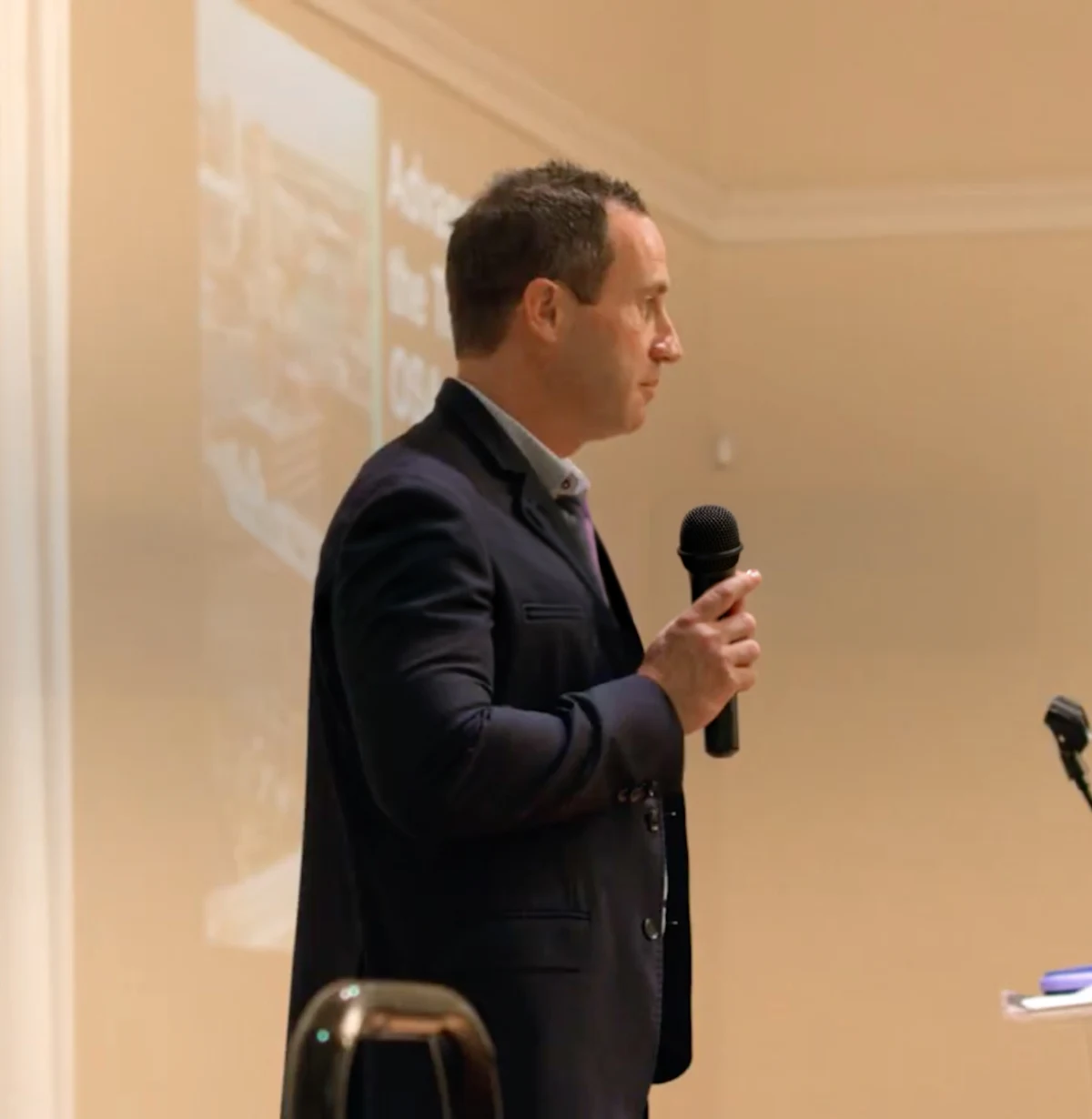
1 Woodson BT, Strohl KP, Soose RJ, et al. Upper Airway Stimulation for Obstructive Sleep Apnea: 5-Year Outcomes. Otolaryngology Head Neck Surgery 2018; 159(1):194-202
Are You Ready?
Find out if Inspire therapy may be right for you.
The following questions will ask for personal and health-related information. View our Privacy Policy.