Down syndrome and obstructive sleep apnea: Signs, testing and treatment options
Individual results may vary. Rx Only. View important safety information at inspiresleep.com/safety.

Key Takeaways
Obstructive sleep apnea (OSA) affects up to 76% of children1-2 and more than 80% of adults with Down syndrome3-4
Sleep studies are recommended for all children with Down syndrome between ages 3 and 45-6
Symptoms may include behavioral, learning and communication changes (not just snoring) and may differ between children and adults
Multiple treatment options exist for obstructive sleep apnea, including adenotonsillectomy, PAP therapy and hypoglossal nerve stimulation, such as Inspire® therapy for eligible patients
Early OSA diagnosis and treatment can improve sleep, daily functioning and quality of life
Special Olympics athletes with Down syndrome find OSA treatment success with Inspire® therapy
Down syndrome is strongly associated with obstructive sleep apnea (OSA), a sleep disorder that affects up to 76% of children1-2 and more than 80% of adults with the condition.3-4
In fact, about 60% of those born with Down syndrome each year will be affected by OSA.7-9
Early screening and treatment may help improve sleep, health and quality of life.
Drew Maurano was the Chief Medical Officer for the 2026 Special Olympics USA Games. And Down syndrome made up the largest group of athletes this year.
He said there were about 69 athletes who listed OSA as an issue. And many athletes showed signs of poor sleep, which could be a sign of OSA.
Maurano said it is vital for families and providers to know about the high risk of OSA for those with Down syndrome.
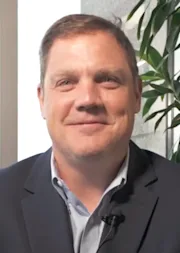
“It starts with education in our community and with our providers – having all options on the table when taking care of any patient”
Drew Maurano — Special Olympics 2026 USA Games Chief Medical Officer. He is also an emergency medicine physician assistant and a clinical director for event and operational medicine in Washington D.C.
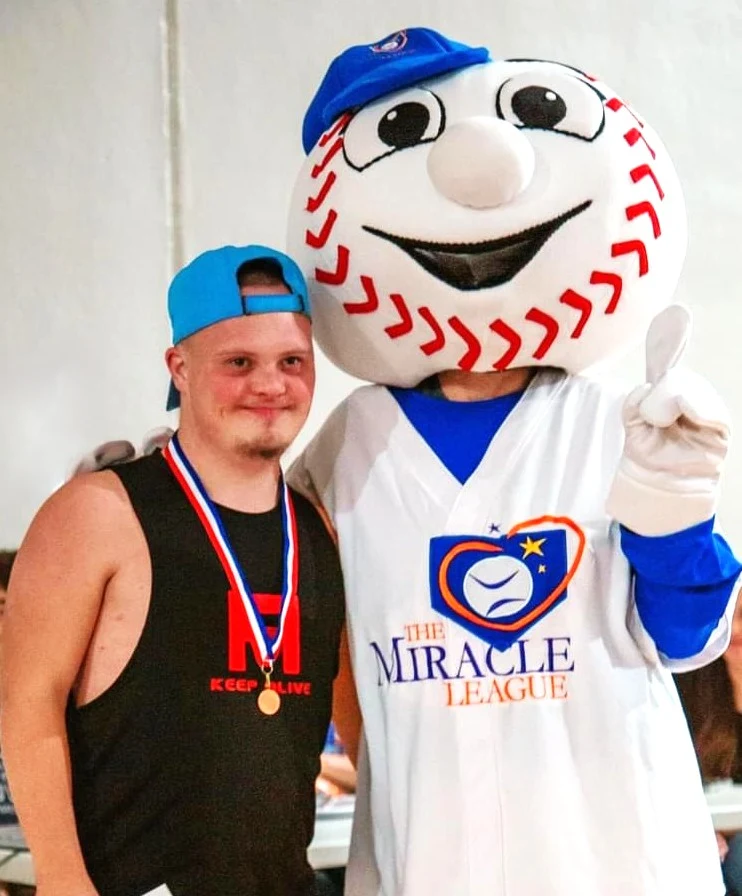
Gage B poses with The Miracle League mascot. Gage plays baseball with The Miracle League and competes in the Arkansas Special Olympics. He has Down syndrome and obstructive sleep apnea. He received the Inspire® implant in May 2025.
Key Facts About Down Syndrome and Obstructive Sleep Apnea
76%
Children with Down syndrome have obstructive sleep apnea (OSA)¹⁻²
80%+
Adults with Down syndrome have OSA³⁻⁴
~60%
of those born with Down syndrome each year will develop OSA⁷⁻⁹
~50%
of children experience residual OSA after tonsil and adenoid removal¹°
Signs of OSA in those with Down syndrome
There are several signs of OSA. This may include restless sleep, loud snoring, gasping noises, excessive napping and daytime sleepiness.
But people with Down syndrome might show other signs of OSA as well.
Children may:
Have increased behavioral issues⁷
Struggle more in school⁷
Have issues with spoken language⁷
An adult may:
Refuse to participate in usual activities⁷
Be less willing to socialize⁷
Avoid spoken conversations⁷
Have trouble following directions⁷
Untreated sleep apnea may increase the risk for heart disease, dementia or Alzheimer’s disease and even diabetes. These risks often overlap with other potential risks for those with Down syndrome.
It helps to alert your care team if you notice any changes in sleep, mood, focus or behavior in your loved one. A provider can better evaluate a patient with your insight.
“It may be nothing, but I’d rather it be nothing than something that’s just dismissed,” Maurano said.
The American Academy of Pediatrics recommends all children with Down syndrome have a sleep study between 3- and 4-years old.⁵⁻⁶
Some children might be unable to complete an in-lab sleep study. This may be due to sensory issues or a lack of access to testing.
In those cases, a home sleep study or home pulse oximetry may help.
Knowing the OSA treatment options for those with Down syndrome
Screening and diagnosing OSA is one hurdle. Knowing more about each OSA treatment option is another.
Maurano said awareness is very important for those in the Down syndrome community.
“With our population, there is usually not a one-size-fits-all approach,” he said.
There are multiple treatment options available:
Tonsil and adenoid removal
Continuous Positive Airway Pressure (CPAP) or other PAP therapies
Hypoglossal nerve stimulation such as Inspire® therapy
Dental devices or mouthpieces
Lifestyle changes; weight loss
One of the first options for children with OSA is to remove enlarged tonsils and adenoids. This does not always cure sleep apnea.
Up to half of children with Down syndrome experience continued effects of OSA following the removal of their tonsils and adenoids.
This is known as residual OSA. Though most cases will show a decrease in OSA severity.¹°
Another treatment option is PAP therapy, such as CPAP.
CPAP works for some Down syndrome patients. But many struggle to tolerate it due to sensory disorders or unique facial anatomies.⁷⁻⁹
If neither works, then Inspire therapy may help those who qualify. This includes those with Down syndrome starting at age 13.
Down syndrome athlete excels after OSA treatment
Gage B is a nonverbal 25-year-old male with Down syndrome and OSA.
Gage’s early life included heart issues.
He had an Atrioventricular Canal correction at 3-months old. And he also received a pacemaker nine days after that due to a blockage in his heart.
The successful heart surgeries helped Gage become an active and healthy child at the time. He even joined the Special Olympics in fifth grade.
But everything changed when they moved to a new area in Arkansas. Gage’s OSA worsened and he needed to use a CPAP machine daily.
He continued to wake up more tired than when he went to bed. And his mother Michelle said it was an “awful experience” for him.
She researched Inspire therapy and decided to take Gage to a provider. He later qualified for and received the Inspire® implant in May 2025.
Michelle said that he looked well rested after the first night of use, about a month after surgery.
“He had the CPAP machine for a little over a year, and it was a nightmare,” Michelle said. “After the first night (with Inspire therapy), Gage woke up and he looked rested. It was amazing.”
Gage now has more energy to continue competing in athletics.
He competes in the Summer, Fall and Winter games through the Arkansas Special Olympics. And he even participated in one leg of the Law Enforcement Torch Run with a path that weaves through the state of Arkansas before the 2026 Summer Games.
Michelle said that since Gage’s sleep has improved, he is “unstoppable.”
“We needed help with sleep, and our team helped us get that part figured out,” Michelle said. “There’s nothing better than being his mom and watching the changes and happiness in his face.”
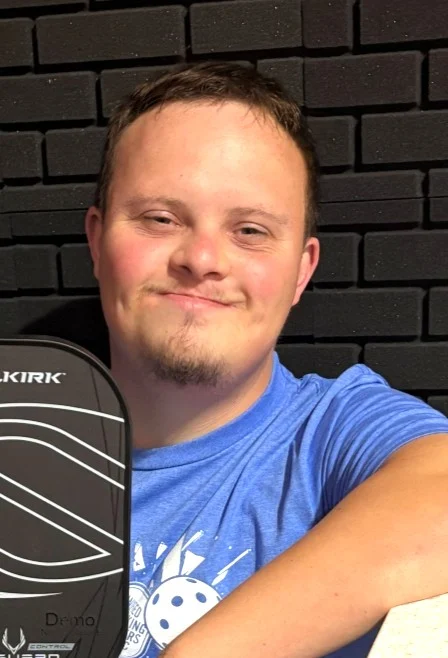
Gage B.
The patient testimonials and sleep apnea treatment reviews above relate to accounts of an individual’s response to treatment. The accounts are genuine, typical and documented. Responses to the treatment can and do vary. Not every response is the same. Patients were not compensated other than for travel expenses. Please review the safety information provided on this site & note that this therapy is not for everyone. Furthermore, the information on this site should not be used as a substitute for talking with your doctor. Always talk with your doctor about diagnosis and treatment information.
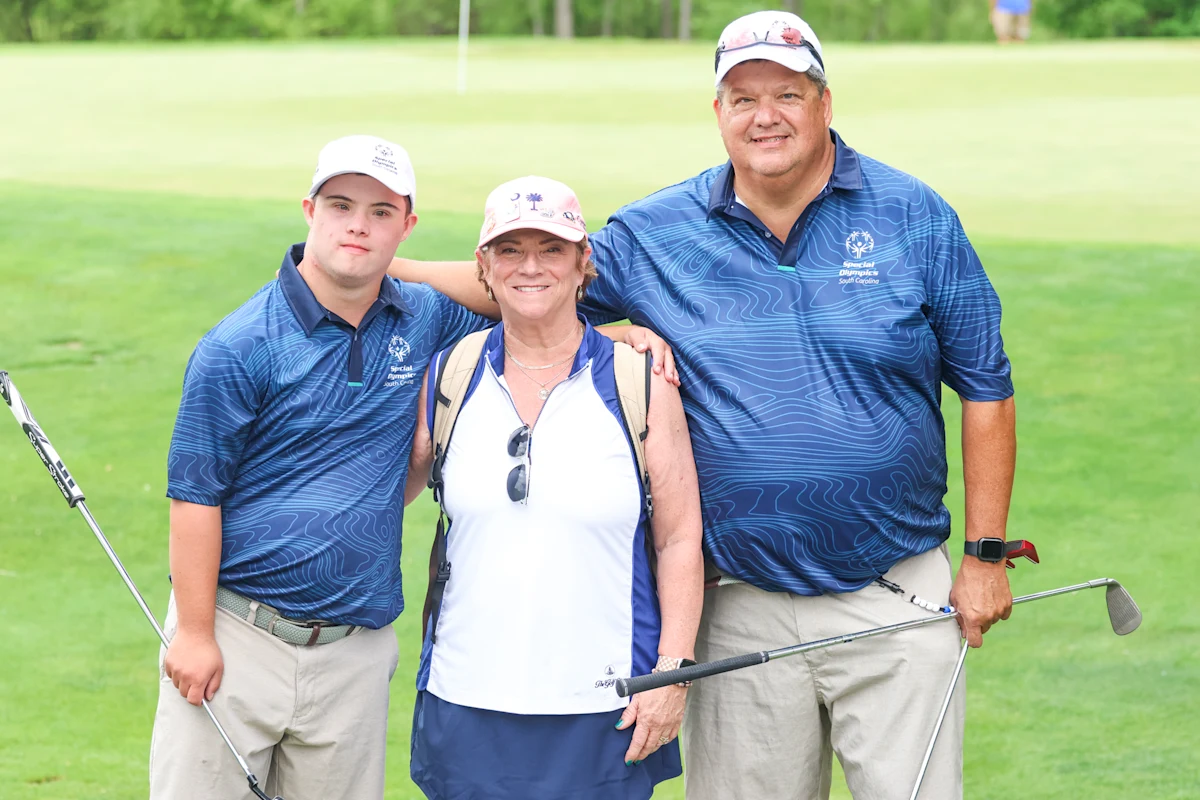
Inspire® patient Jacob M (left) and his parents Marla and Paul enjoy their time at the 2026 Special Olympics USA Games June 23, 2026 at Victory Links Golf Course in Blaine, Minn.. Jacob competed, along with his father Paul, as a golfer for Team South Carolina. Jacob has Down syndrome and obstructive sleep apnea. He received the Inspire® implant in 2024.
20-year-old with Down syndrome and OSA now has college dreams
Jacob M is a 20-year-old with Down syndrome and severe OSA. He was also born with four heart defects and needed open-heart surgery at six months old.
Heart issues pushed back any concerns about Jacob’s poor sleep.
Still, he showed signs of OSA – falling asleep during the day and struggling with fatigue, focus and speech.
Jacob also had sensory issues which made getting an OSA test challenging. A clinician worked with Jacob to slowly implement the equipment and monitors needed for an in-lab sleep study.
“The desensitization therapy was critical,” Marla said. “If someone had suggested that years earlier, I probably would have done the sleep study sooner.”
Even after diagnosis, his sensory issues meant that CPAP could not be a viable option.
Jacob’s mother Marla luckily tapped into the Down syndrome community – learning about Inspire therapy and even talking to a friend with a daughter who used it.
Jacob qualified and received the Inspire implant in January 2025. His sleep has improved since he started using it.
He has more focus and energy during the day. And he now works at a restaurant four days a week.
He is also pursuing higher education opportunities.
“He wants to go to college,” Marla said. “I don't know if that would have been possible without the focus and clarity that he has now.”
Jacob remains active in the South Carolina Special Olympics. He competes in golf, basketball, pickleball and kayaking.
He even qualified to play golf at the 2026 USA Games in Minneapolis in June 2026.
“If you looked at Jacob before Inspire therapy and looked at him now, you'd say he looked sick before,” Marla said. “Today he's healthier, thriving, working, competing and pursuing college. The sky's the limit for him.”
The patient testimonials and sleep apnea treatment reviews above relate to accounts of an individual’s response to treatment. The accounts are genuine, typical and documented. Responses to the treatment can and do vary. Not every response is the same. Patients were not compensated other than for travel expenses. Please review the safety information provided on this site & note that this therapy is not for everyone. Furthermore, the information on this site should not be used as a substitute for talking with your doctor. Always talk with your doctor about diagnosis and treatment information.
FAQ
People with Down syndrome often have anatomical features and muscle-tone differences that can make airway blockage during sleep more likely. These factors increase the risk of OSA and make early screening and treatment especially important.7-9
Obstructive sleep apnea symptoms include snoring, gasping noises and excessive daytime sleepiness.
There are other potential signs for children and adults with Down syndrome.
For children, this includes increased behavioral issues, more challenges in school and issues with spoken language.7
For adults, they may begin to refuse to do normal activities, have increased issues socializing with others and have more problems following directions.7
The American Academy of Pediatrics says all children with Down syndrome should have a sleep study between 3- and 4-years old.5-6
Some children may have difficulties with an in-lab sleep study if they have sensory issues. They could also lack access to proper testing.
A home sleep study or home pulse oximetry may help in those cases.
For children with Down syndrome, the first treatment is often an adenotonsillectomy, or the removal of the tonsils and adenoids.
About half of children may continue to show residual OSA after tonsil and adenoid removal.10
Continuous Positive Airway Pressure (CPAP), or other PAP therapies, is another option.
CPAP works well for some Down syndrome patients. But many have been shown to not tolerate CPAP well, especially if they have sensory disorders or unique anatomies.7-9
Other treatment options include hypoglossal nerve stimulation therapies such as Inspire therapy, dental devices and even lifestyle changes that lead to weight loss.
Inspire therapy is an option for children aged 13-18 with Down syndrome and adults 18 and over.
For children, they must be unable to use CPAP and have an apnea-hypopnea index (AHI) between 10-50. They also must already have had an adenotonsillectomy.
AHI refers to the average amount of sleep apnea events per hour while sleeping.
Inspire therapy shows a 60% reduction in sleep apnea events in children with Down syndrome who use it consistently.11
For adults with OSA, Inspire therapy is for those unable to use CPAP, who have an AHI between 15-100 and who have a body mass index under 40.
Inspire therapy has an average 79% reduction in sleep apnea events in adults.12
Questions? We’re here to help.
Our team of Inspire Advisors are ready to help you. They can answer your questions, help determine if you meet the basic qualifications and help you find an Inspire-trained doctor in your area when you’re ready to set up an initial consultation.
Sources
1 Maris M, Verhulst S, Wojciechowski M, Van de Heyning P, Boudewyns A. Prevalence of Obstructive Sleep Apnea in Children with Down Syndrome. Sleep. March 2016. 39(3): 699–704. DOI: 10.5665/sleep.5554
2 Finch CE, Raol N, Roser SM, Leu RM. Multisystem approach for management of OSA in Down syndrome: a case report. J Clin Sleep Med. March 2024. 20(3): 471-473. DOI: 10.5664/jcsm.10914
3 Trois, M., Capone, G., Lutz, J. et al. Obstructive Sleep Apnea in Adults with Down Syndrome. J Clin Sleep Med.March 2009. 5: 317–323. DOI: 10.5664/jcsm.27541
4 Skotko BG, Macklin EA, Muselli M, Voelz L, McDonough ME, Davidson E, Allareddy V, Jayaratne YSN, Bruun R, Ching N, Weintraub G, Gozal D, and Rosen D. A predictive model for obstructive sleep apnea and Down syndrome. Am J Med Genet Part A. 2017. 173A: 889–896. DOI: 10.1002/ajmg.a.38137
5 Shott SR, Amin R, Chini B, Heubi C, Hotze S, Akers R. Obstructive sleep apnea: Should all children with Down syndrome be tested?. Arch Otolaryngol Head Neck Surg. 2006. 132(4): 432-436. DOI: 10.1001/archotol.132.4.432
6 Bull MJ, Trotter T, Santoro SL, et al. Health Supervision for Children and Adolescents With Down Syndrome. American Academy of Pediatrics. May 2022. 149 (5): e2022057010. DOI: 10.1542/peds.2022-057010
7 Diercks GR, Wentland C, Keamy D, et al. Hypoglossal nerve stimulation in adolescents with Down syndrome and obstructive sleep apnea. JAMA Otolaryngol Head Neck Surg. January 2018. 144(1):37-42. doi:10.1001/jamaoto.2017.1871
8 CDC. (2020, October 23). Data and Statistics on Down Syndrome. Centers for Disease Control and Prevention. https://www.cdc.gov/ncbddd/birthdefects/downsyndrome/data.html
9 Gastelum et al; Treatment Considerations for Obstructive Sleep Apnea in Pediatric Down Syndrome; Children 2021, 8, 1074
10 Hudson, S. et al. “Long-Term Non-invasive Ventilation in Children With Down Syndrome: A Systematic Review.” Frontiers in pediatrics. May 2022. vol. 10: 886727. DOI: 10.3389/fped.2022.8867
11 Larrow DR, Marcus KS, Gipson K, et al. Upper Airway Stimulation for Children and Adolescents with Down Syndrome: Long-Term Follow-Up. Laryngoscope. October 2024. 135 (3): 1218-1222. DOI: 10.1002/lary.31828
12 Woodson BT, Strohl KP, Soose RJ, et al. Upper Airway Stimulation for Obstructive Sleep Apnea: 5-Year Outcomes. Otolaryngology Head Neck Surgery. March 2018; 159(1):194-202. DOI: 10.1177/0194599818762383
Are You Ready?
Find out if Inspire® therapy may be right for you.
The following questions will ask for personal and health-related information. View our Privacy Policy.