Individual results may vary. Rx Only. View important safety information at inspiresleep.com/safety.
CPAP doesn’t work for me – why?
Learn why CPAP doesn’t work for everyone and what to do next
Key Takeaways
CPAP is the standard treatment for sleep apnea but doesn’t work for everyone. Common challenges include poor mask fit, dryness, noise, claustrophobia, inconsistent use and difficulty adjusting to the system.
There are CPAP treatment alternatives. Options include oral appliances, surgery, weight-loss strategies and advanced therapies like Inspire® implant upper airway stimulation.
Talk to your sleep specialist to find a treatment that’s right for you.
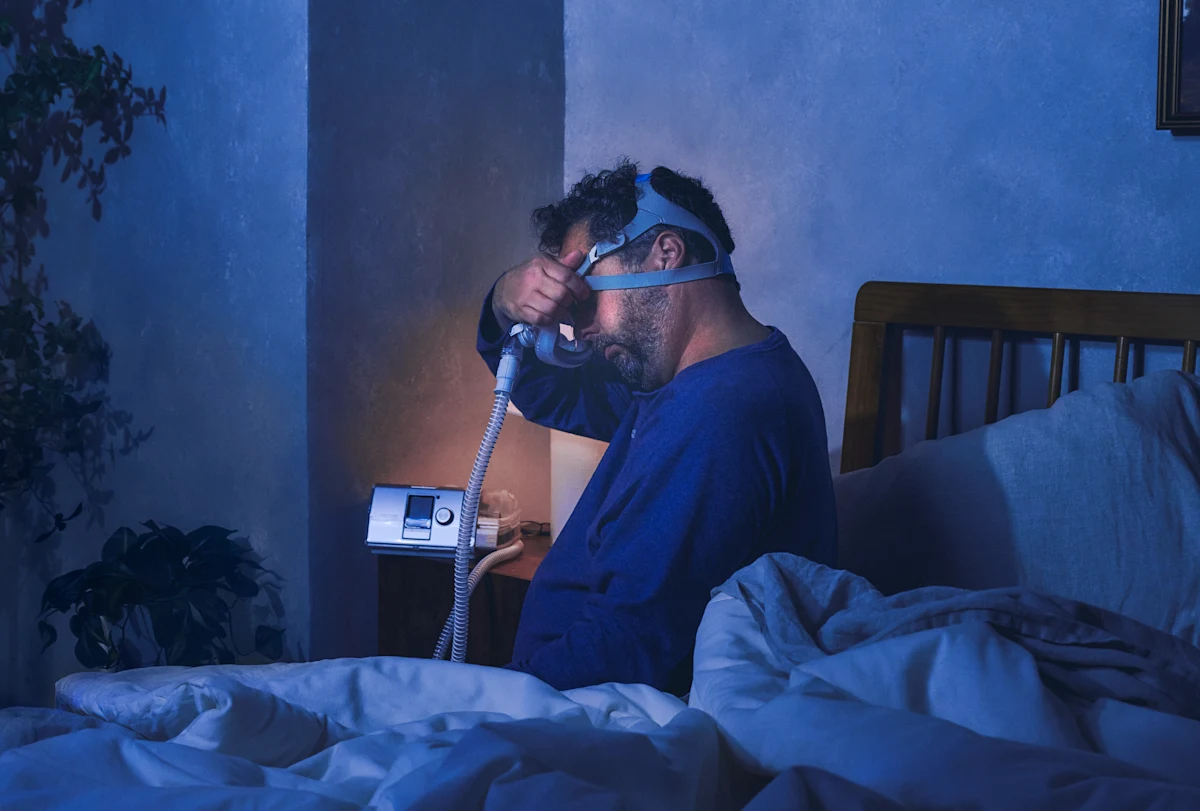
After too many restless nights and exhausting days, you finally got treatment for your sleep apnea. But you’re still snoring, tossing and turning—and your bed partner is back on the couch.
If you’re lying awake thinking, “CPAP doesn’t work for me,” rest assured: there are solutions. For some people, it’s a matter of fine-tuning their CPAP setup. For others, it means exploring different treatment options.
Keep reading to learn why some sleep apnea treatments don’t work for everyone—and what you can do to get the rest you need.
First line of defense
The key to managing obstructive sleep apnea (OSA) is finding a treatment that works for you. Left untreated, OSA is linked to serious health problems, like heart disease, high blood pressure, type 2 diabetes, obesity and depression.
Currently, CPAP is considered the first-line therapy, because it’s proven safe and effective and doesn’t require surgery. But even though it works well for many people, CPAP doesn’t work for everyone—about half of patients struggle with or stop using it.1,2
Why CPAP can fail: Common challenges
Individual goals may vary, but CPAP adherence is often defined as using the device for at least four hours per night on about 70% of the nights (roughly five nights per week).3 Many people find it difficult to reach this level of consistent use. This can be for a variety of reasons, including:
Poor fit: Some people get dry eyes, nose or throat, skin irritation, or wake up from discomfort. Others may remove the mask in their sleep. These can be signs the fit isn’t right. Trying different sizes or styles can help.
Adjusting to the system: Even with the right fit, your treatment can take time to get used to. It’s normal to find it harder to fall asleep at first. To help ease the transition, consider:
Wearing the mask for short periods during the day
Talking to your doctor about adjusting the settings.
Trying a similar treatment, like BiPAP (bilevel positive airway pressure), which uses different pressures for breathing in and out.
Tired of maintenance: CPAP machines need regular cleaning and upkeep, including Cleaning the mask and hose at least weekly, Using fresh humidifier water daily and replacing filters every 3-6 six months. This upkeep helps prevent germs and keeps the machine working well.4 Over time, the maintenance can feel like a lot – especially if you’re already tired or busy. Unfortunately, there isn’t a quick fix. Although some cleaning devices are advertised, their safety and effectiveness are still being studied.5
Feeling claustrophobic: Switching to a smaller nasal option or wearing the mask briefly while awake may help you adjust.
Feeling self-conscious: Some people feel awkward wearing CPAP around others or while traveling. Talking about it with your partner, a therapist or a support group may help you feel more comfortable.
Not enough symptom relief: Some people don’t feel better even when using CPAP correctly or making adjustments. CPAP doesn’t work for everyone – and that’s OK. Talk with your doctor about other treatment options.
CPAP treatment alternatives: Effective options
The CPAP treatment alternatives your doctor recommends may vary depending on your age, the severity of your sleep apnea, your symptoms, medical history, lifestyle and insurance coverage.
Implantable devices / nerve stimulation therapy
Inspire® therapy is an advanced, clinically proven alternative for people who can’t tolerate CPAP. It’s one of the most commonly chosen next-line options – 91% of Inspire patients say it’s better than CPAP.6
Instead of forcing air into your airway through a mask and hose, the Inspire® implant works comfortably7 inside your body to treat the root cause of your obstructive sleep apnea. The device delivers gentle pulses to the hypoglossal nerve, which controls your tongue movement. This stimulation helps gently move your tongue forward to keep your airway open, so you can breathe regularly and sleep soundly.8
Like CPAP, Inspire therapy is covered by most U.S. commercial insurers, Medicare and Veterans Affairs (VA).
However, Inspire therapy is not for everyone. You need to meet basic FDA indications and consult with an Inspire-trained doctor to determine if Inspire therapy is right for you.
Weight-loss medications
Excess weight can lead to fat deposits around your neck that can narrow or block the upper airway. This makes it harder to pass air through and breathe. In these cases, weight-loss medications, also known as GLP-1 drugs, may help you reach and maintain a healthier weight.
But some people struggle with the side effects from taking GLP-1 medications, which commonly include nausea, vomiting, diarrhea and other symptoms. And many people with moderate to severe OSA still require additional treatment to manage their condition effectively.
Other CPAP treatment alternatives
Oral appliances: Over-the-counter or custom-made dental devices can help reposition your jaw or tongue to keep your airway open. For example, mandibular advancement devices typically fit over your teeth, while tongue-retaining devices pull your tongue forward. These are considered most effective for mild to moderate sleep apnea.
Surgery: Your doctor may recommend surgery to adjust the structure of your nose, mouth, throat or jaw to improve airflow. These types of surgery tend to be considered if other treatments haven’t been effective, as they often carry more risk, involve hospitalization and longer recovery.
Struggling to use your CPAP? Talk to your doctor
If you have sleep apnea, finding the right treatment can make a real difference in your health and overall quality of life. Beyond the frustration of poor sleep, untreated obstructive sleep apnea can increase your risk for injuries, high blood pressure, type 2 diabetes, obesity and depression.
If you’ve been struggling with CPAP, talk to your doctor about treatment options that might be a better fit for your health and lifestyle. Your doctor can help determine whether Inspire therapy or another CPAP alternative could be right for you.
Frequently asked questions
1. Why do some sleep apnea treatments fail for people?
It’s important to find a sleep apnea treatment that works for you, so you can continue using it long term. CPAP is the most commonly prescribed treatment option for moderate to severe sleep apnea. It can fail for several reasons, including poor mask fit, difficulty adjusting to the system, time-consuming cleaning and maintenance, or ongoing symptoms despite consistent use. Individual factors like anatomy, lifestyle, health conditions and genetics can also affect treatment success.
2. What should I do if CPAP doesn't work for me?
Talk with your sleep specialist about adjusting your CPAP system and ask about treatment alternatives that may be a better fit for you and your lifestyle.
3. Why can CPAP fail even when used correctly?
Even with proper fit and use, CPAP may not fully relieve symptoms for some people. This can be due to a variety of factors, including airway anatomy, co-occurring medical conditions, genetic conditions or even lifestyle habits and preferences.
4. Does CPAP work for everyone with sleep apnea?
No. About half of patients struggle with or stop using CPAP, often due to discomfort, fit issues or ongoing symptoms.9,10 If CPAP doesn’t work for you, talk to your doctor about other options. Left untreated, obstructive sleep apnea is linked to serious health problems, so it’s important to find a treatment that works for you.
5. What are the best CPAP treatment alternatives?
Most patients with moderate to severe obstructive sleep apnea (the most common type) are prescribed CPAP as the first treatment option. However, about half struggle with or stop using CPAP.11,12 Depending on your age, symptom severity, medical history and lifestyle, options may include:
Inspire® therapy:
An implantable device that stimulates the hypoglossal nerve to keep the airway open.
Weight-loss medications:
Help reduce fat deposits that narrow the airway.
Oral appliances:
Mandibular advancement devices reposition the jaw to improve airflow.
Surgery:
Adjusts the structure of the nose, mouth, throat, or jaw to improve breathing.
6. How long should I try CPAP before considering alternatives?
The answer depends on many factors, including the severity of your sleep apnea, how well you’re tolerating CPAP and whether adjustments are improving your comfort and ability to sleep.
While each person’s experience varies, many people need several weeks to get used to CPAP, especially as mask or nasal piece fit and pressure settings are fine-tuned. For reference, adhering to your CPAP treatment is commonly defined as using the device for at least four hours per night on most nights.13 Individual goals may vary.
Talk with your doctor. They can help determine whether continuing CPAP makes sense or whether you should consider exploring alternative treatments.
7. Will insurance cover alternatives if CPAP doesn't work?
It’s best to check directly with your insurance company to confirm your coverage information. Many alternatives, including Inspire® therapy, are covered by most U.S. commercial insurers, Medicare and Veterans Affairs (VA). Coverage for other options, like oral appliances or more invasive surgeries, varies.
8. Is Inspire therapy a good alternative to CPAP?
Yes. Inspire® therapy is a proven, safe and effective mask-free14 solution for people with obstructive sleep apnea (OSA) who are unable to benefit from CPAP.
90% of people are satisfied with Inspire therapy.15
91% of Inspire patients say Inspire® therapy is better than CPAP.16
92% of patients say they would choose Inspire® therapy again.17
Sources
1 Rotenberg et al. Trends in CPAP adherence over twenty years of data collection: a flattened curve. Journal of Otolaryngology Head and Neck Surgery 2016; 45:43
2 Weaver, TE, Sawyer, AM. "Adherence to Continuous Positive Airway Pressure Treatment for Obstructive Sleep Apnea: Implications for Future Inventions." Indian Journal of Medical Research, 2010; 131: 245-258.
3 Sleep Foundation, CPAP Compliance: What It Is and Why It’s Important. December 18, 2025.
4 FDA, Do You Need a Device That Claims to Clean a CPAP Machine? August 26, 2024.
5 SleepApnea.org, FDA Warns Against Certain At-Home CPAP Cleaning Machines. July 14, 2025.
6 Data on file.
7 Suurna MV, Steffen A, Boon M, et al. Impact of Body Mass Index and Discomfort on Upper Airway Stimulation: ADHERE Registry 2020 Update. Laryngoscope 2021; 131(11): 2616-2624.
8 Woodson BT, Strohl KP, Soose RJ, et al. Upper Airway Stimulation for Obstructive Sleep Apnea: 5-Year Outcomes. Otolaryngology Head Neck Surgery 2018; 159(1):194-202).
9 Rotenberg et al. Trends in CPAP adherence over twenty years of data collection: a flattened curve. Journal of Otolaryngology Head and Neck Surgery 2016; 45:43
10 Weaver, TE, Sawyer, AM. "Adherence to Continuous Positive Airway Pressure Treatment for Obstructive Sleep Apnea: Implications for Future Inventions." Indian Journal of Medical Research, 2010; 131: 245-258.
11 Rotenberg et al. Trends in CPAP adherence over twenty years of data collection: a flattened curve. Journal of Otolaryngology Head and Neck Surgery 2016; 45:43
12 Weaver, TE, Sawyer, AM. "Adherence to Continuous Positive Airway Pressure Treatment for Obstructive Sleep Apnea: Implications for Future Inventions." Indian Journal of Medical Research, 2010; 131: 245-258.
13 Sleep Foundation, CPAP Compliance: What It Is and Why It’s Important. December 18, 2025.
14 ADHERE Registry: Data on File.
15 Data on file.
16 Data on file.
17 Data on file.
American Medical Association, What doctors wish patients knew about sleep apnea. November 7, 2025.
Eli Lilly and Company, FDA approves Zepbound® (tirzepatide) as the first and only prescription medicine for moderate-to-severe obstructive sleep apnea in adults with obesity. December 20, 2024.
Mayo Clinic, CPAP machines: Tips for avoiding 10 common problems. March 7, 2024.
PMC, Patterns and stability of long-term adherence in continuous positive airway pressure therapy for obstructive sleep apnea: a cohort study. July 15, 2025.
ScienceDirect, Psychological predictors of CPAP therapy adherence in obstructive sleep apnea patients: insights from the predisposing, precipitating, and perpetuating factors model. July-September 2025.
ScienceDirect, Real-world impact of continuous positive airway pressure on sleepiness in patients with obstructive sleep apnea in a national registry. June 2024.
Sleep Foundation, Apnea-Hypopnea Index (AHI) and Sleep Apnea. September 22, 2025.
Sleep Foundation, BiPAP vs. CPAP Machines: Breaking Down the Differences, July 10, 2025.
Sleep Foundation, How Weight Affects Sleep Apnea. November 18, 2025.
Sleep Foundation, Sleep Apnea Treatment: CPAP, Oral Appliances, and Surgery. November 18, 2025.
The University of Arizona Health Sciences, Peer support could help millions with sleep apnea slumber easier, study says. December 3, 2024.
Related Articles
 Sleep Quality & Lifestyle
How to Clean Your Sleep Apnea Device and Why it Matters
Learn how to clean and maintain your CPAP machine and oral appliance, and why regular care matters for your sleep apnea treatment and equipment.
Read More Sleep Quality & Lifestyle
Tips for easier trips: Traveling with CPAP and other sleep apnea treatments
Traveling with sleep apnea? Discover practical tips for traveling with CPAP and explore other sleep apnea treatments that make traveling easier.
Read More Sleep Quality & Lifestyle
Feeling stressed? Struggling to sleep? Learn how these symptoms can fuel each other
Explore how stress and sleep apnea interact and ways to improve your health and well-being.
Read MoreInterested in learning more?
We’re here to help. Fill out the form below to receive more information about Inspire therapy, including how to qualify and what to expect.