
You’re Not Dreaming
Inspire® therapy is the only implantable sleep apnea solution chosen by providers and patients for over a decade.1
1 Strollo PJ Jr, Soose RJ, Maurer JT, et al. | Magaña LC, Strollo PJ, Steffen A, et al.
A proven sleep apnea treatment
90%
of bed partners report no snoring or soft snoring.¹
93%
of patients recommend Inspire therapy to a friend or family member.²
79%
reduction in sleep apnea events.¹
91%
of patients say Inspire therapy is better than CPAP.²
1 Woodson BT, Strohl KP, Soose RJ, et al. Upper Airway Stimulation for Obstructive Sleep Apnea: 5-Year Outcomes. Otolaryngology Head Neck Surgery 2018; 159(1):194-202
2 Data on file
See If You Qualify
Take a few minutes and find out if you qualify for Inspire® therapy. Fill out the questionnaire and get your results immediately.
Have you been diagnosed with obstructive sleep apnea (OSA)?
This questionnaire will ask for personal and health-related information. View our privacy policy.
What Is Inspire therapy?
Inspire therapy is a mask-free1 solution for people with obstructive sleep apnea who have tried and struggled with CPAP.
Through a simple-to-use system including the Inspire® implant, remote and app, Inspire therapy enables you to control your OSA treatment from the palm of your hand.

1 ADHERE Registry: Data on file
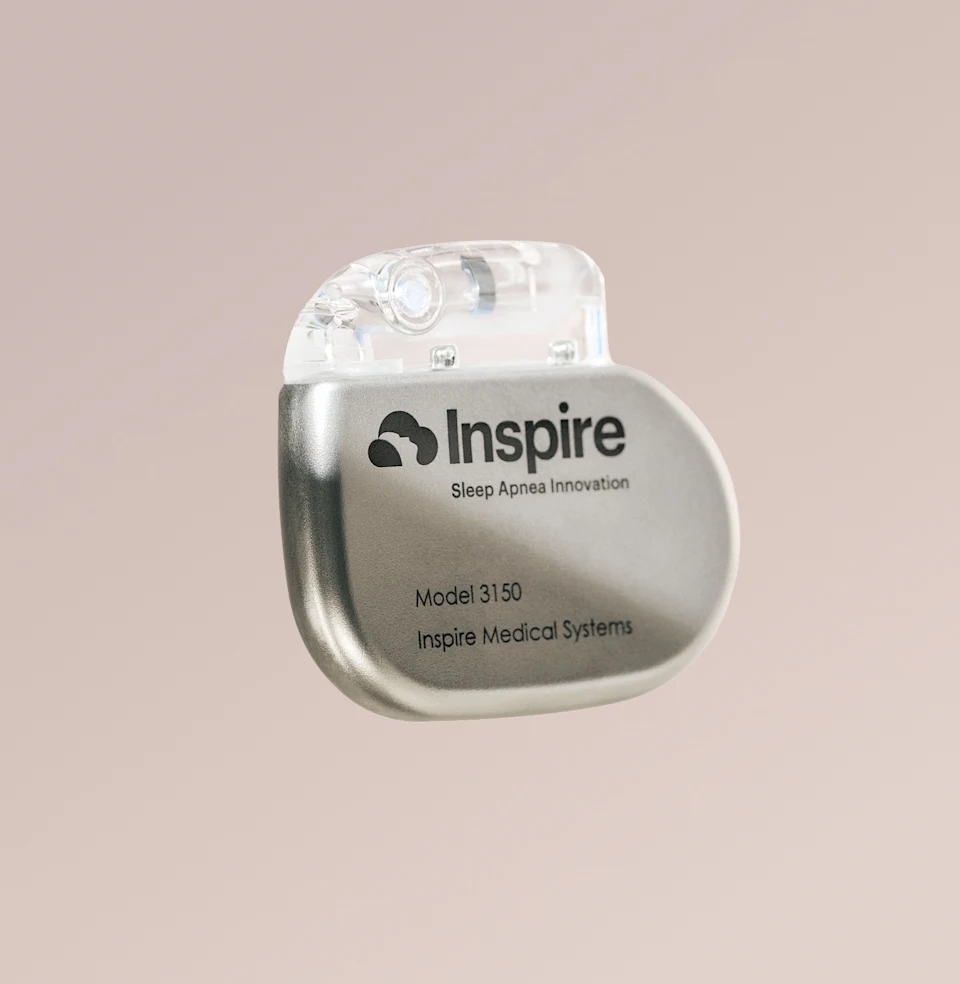
The Inspire® implant
The Inspire implant keeps your airway open while you sleep, so you can breathe regularly and sleep soundly.
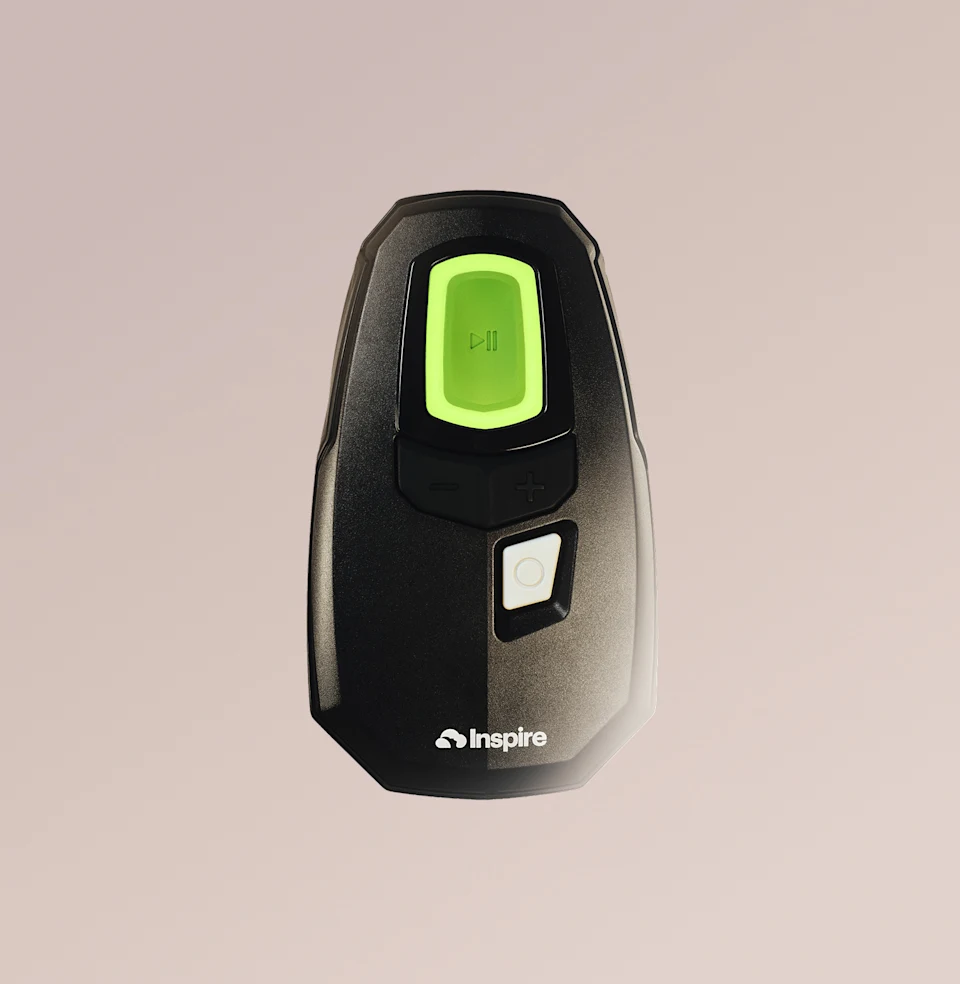
The Inspire™ remote
The Inspire remote simply turns on your therapy when you’re ready to sleep. No mask or hose required.
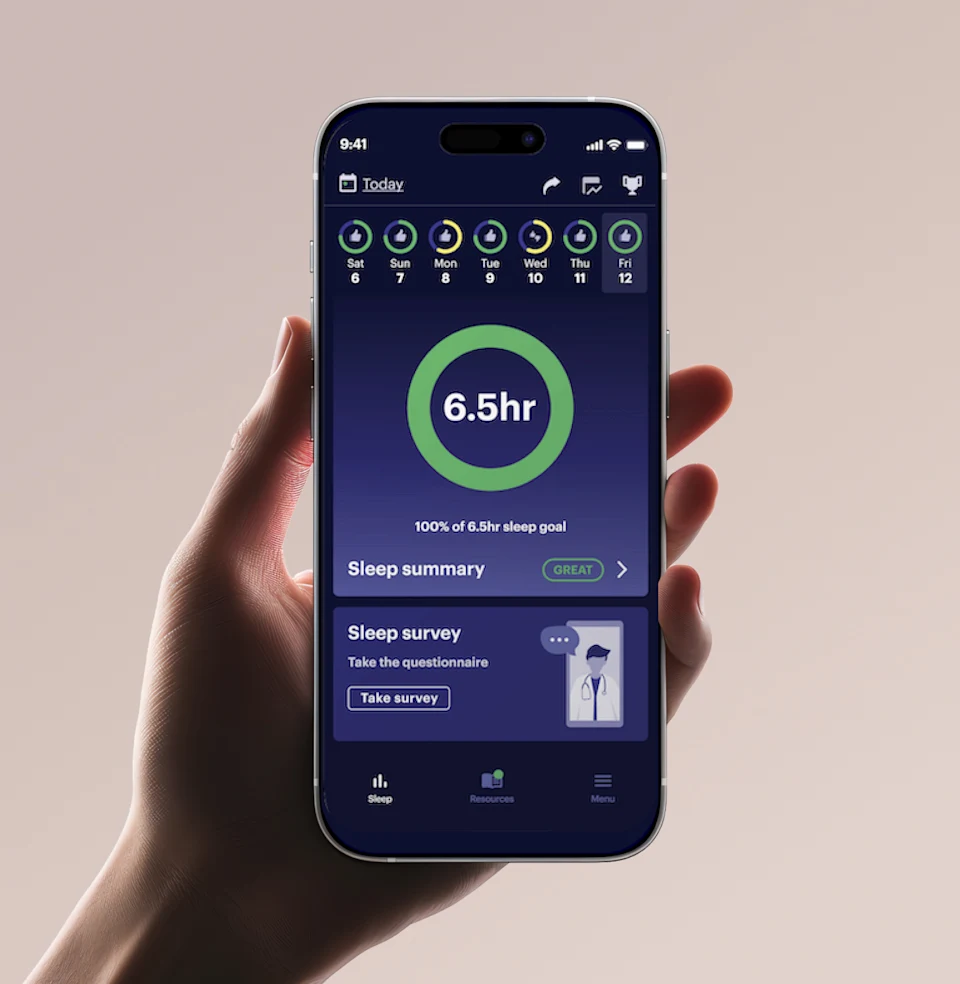
The Inspire® app
The Inspire app tracks your sleep goals and allows you to share data directly with your provider.
The Inspire® implant
The Inspire implant keeps your airway open while you sleep, so you can breathe regularly and sleep soundly.
The Inspire™ remote
The Inspire remote simply turns on your therapy when you’re ready to sleep. No mask or hose required.
The Inspire® app
The Inspire app tracks your sleep goals and allows you to share data directly with your provider.

We Have You Covered
Rest assured, Inspire therapy is covered by most commercial insurers, Medicare and Veterans Affairs (VA).
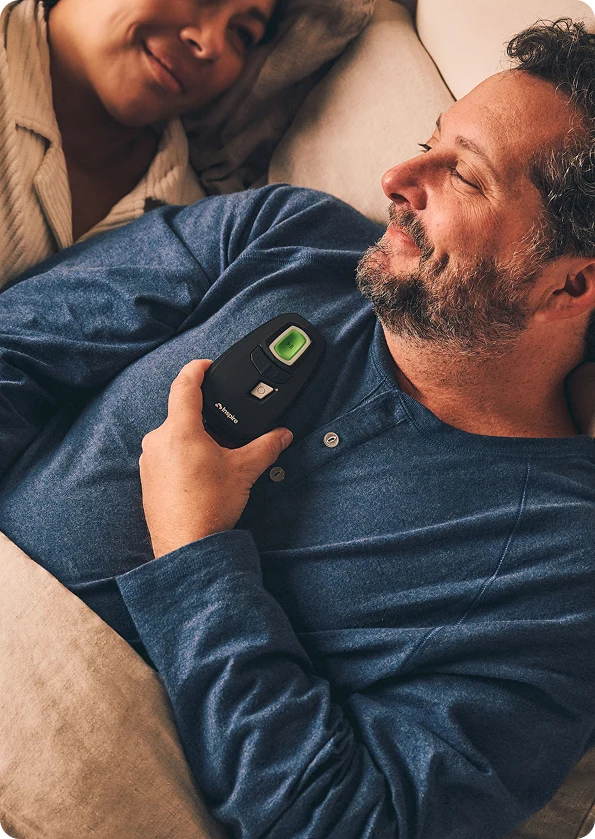
Do You Qualify?
Find out if Inspire therapy is right for you. Most people who have tried and struggle with CPAP meet the basic requirements for Inspire therapy.
Inspire therapy is FDA-approved for use in pediatric patients with Down Syndrome. Learn more about specific qualifications here.
Find an event near you
Join a free event to learn more about sleep apnea and treatment options, including how Inspire therapy is helping people sleep better.1 If you have questions, the provider hosting the event will also be available for a Q&A session!

1 Woodson BT, Strohl KP, Soose RJ, et al. Upper Airway Stimulation for Obstructive Sleep Apnea: 5-Year Outcomes. Otolaryngology Head Neck Surgery 2018; 159(1):194-202
Inspire Medical Systems, Inc. is proud to partner with:
802-752-000 Rev A
Are You Ready?
Find out if Inspire therapy may be right for you.
The following questions will ask for personal and health-related information. View our Privacy Policy.